After the pandemic, as people began traveling again, many rediscovered the calm beauty of Japanese temples and traditional inns — spaces built with solid wood beams, surrounded by Zen-inspired tranquility. These serene atmospheres often make us wish we could bring a touch of that peaceful simplicity back home.
Contents :
1.What Is a Tongue and Groove Board?
2.Advantages of Tongue and Groove Boards
3.Limitations of Tongue and Groove Boards
4.Applications
5.Tongue and Groove Board Collections from bestwood
Japanese-style hotels and vacation cabins are designed to express purity, nature, and minimalism, often featuring large areas of natural wood. Yet for most people living in crowded urban environments, owning such a retreat is not realistic. So how can we recreate that relaxing atmosphere in city homes? A great solution is using solid wood tongue and groove boards for interior decoration!
What Is a Tongue and Groove Board?
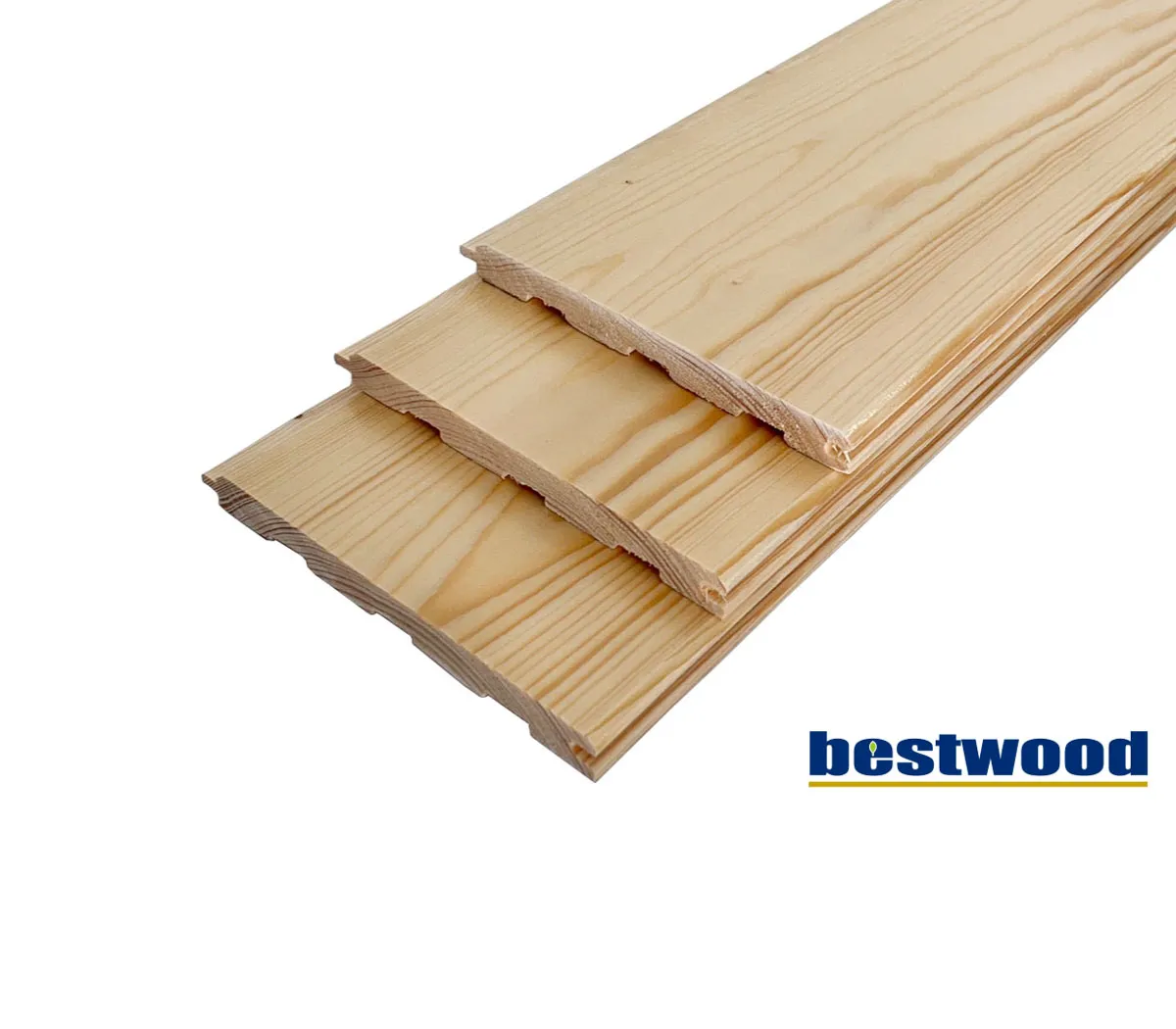
At first glance, it looks similar to ordinary wood panels, but each side has a tongue and a groove that interlock when installed. This joint increases stability and creates decorative shadow lines where the boards meet. After sanding and finishing, tongue and groove boards highlight the natural grain, color, and unique features of the wood, showing the distinct character of each species.
Advantages of Tongue and Groove Boards
The decorative grooves created after installation add depth and rhythm to wall or ceiling designs, preventing flat and monotonous surfaces.
Limitations of Tongue and Groove Boards
Like all wood materials, they expand and contract with temperature and humidity changes. This may cause slight bending or warping over time — a natural behavior of real wood. Overall, tongue and groove boards are cost-effective and beautifully natural, making them an excellent choice for interior design projects.
Applications
Solid tongue and groove boards are ideal for ceilings, floors, and walls — commonly used in living rooms, bedrooms, studies, saunas, and other interior spaces. They require minimal maintenance and can be left unfinished or protected with a light coat of wood oil to preserve the natural look and make cleaning easy.
Tongue and Groove Board Collections from bestwood
Southern Yellow Pine (Pressure-Treated):
Treated under pressure for durability and decay resistance, this species is often used for exterior siding, fences, decks, storefront soffits, and garden pergolas.
Western Red Cedar:
Known for its distinctive aromatic scent, Western Red Cedar is lightweight, naturally decay-resistant, and suitable for both indoor and outdoor use.
European Spruce:
With a soft yellow-white tone and visible knots, European Spruce is widely used in Nordic-style interiors for its light, natural appearance.
Japanese Hinoki (Cypress):
A premium Japanese species with straight grain and a pleasant fragrance. Commonly used in temples, high-end furniture, and traditional wood architecture.
European Red Pine (Scots Pine):
Similar in texture to Southern Yellow Pine but with finer grain and better dimensional stability. Its orange-red heartwood and strength make it suitable for structures, interiors, furniture, DIY projects, and tongue & groove flooring or paneling.
Cypress (Juniper):
With tight, straight grain and strong durability, this species is excellent for construction and furniture. The heartwood and sapwood contrast in rich tones from pale yellow to reddish-brown.
North American Red Oak:
Renowned for strength, wear resistance, and surface finish flexibility. Ideal for smoked or brushed effects in both residential and commercial interiors.
North American White Ash:
Hard, strong, and stable with even texture. It accepts stain and polish well, producing elegant finishes with minimal shrinkage or deformation.
If you wish to fill your space with a natural aroma, Japanese Hinoki, Western Red Cedar, and Lawson Cypress are all great options.
Read More

Related Product