
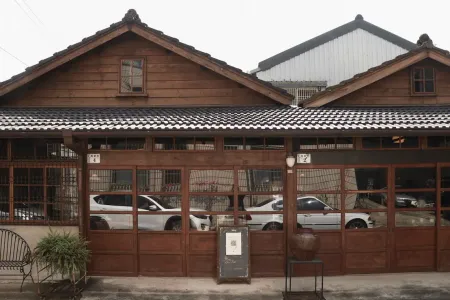
A City of 6,000 Wooden Houses
With advances in building technology, wooden houses are no longer frozen in the past.They are becoming a cultural asset that helps a historic timber city move confidently toward the future.
Contents :
- Living with Wooden Houses
- The Origin of the Timber City
- Timber City 3.0
- The “Chiayi Wooden House Restoration” Program
- Restoring Wooden Houses for the Future
Living with Wooden Houses
In 2025, Chiayi launched a city-wide initiative centered on one key question: How do we live with wooden houses today?
The program invites people to rediscover historic wooden buildings scattered throughout the city. The entire city becomes a “wooden house exploration guide.” Around every corner, visitors may encounter warm and elegant wooden houses—transformed into ice cream shops, sunlit guesthouses, or small craft stores hidden in quiet alleys. Here, materials and time blend together to create spaces that can be truly experienced and felt.
The Origin of the Timber City
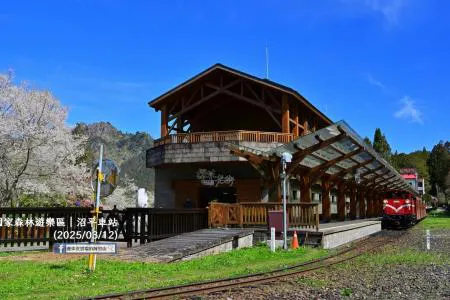
Chiayi’s wooden architecture traces back over a century to the rise of the Alishan forestry industry.
Railways, sawmills, and log storage pools once formed the backbone of the city, and wooden houses became the most practical and efficient building solution.
Wood was a living technology—lightweight, repairable, and well adapted to the local climate.
Today, Chiayi still has the highest density of wooden residences in Taiwan, earning its reputation as a true “timber city.”
Timber City 3.0
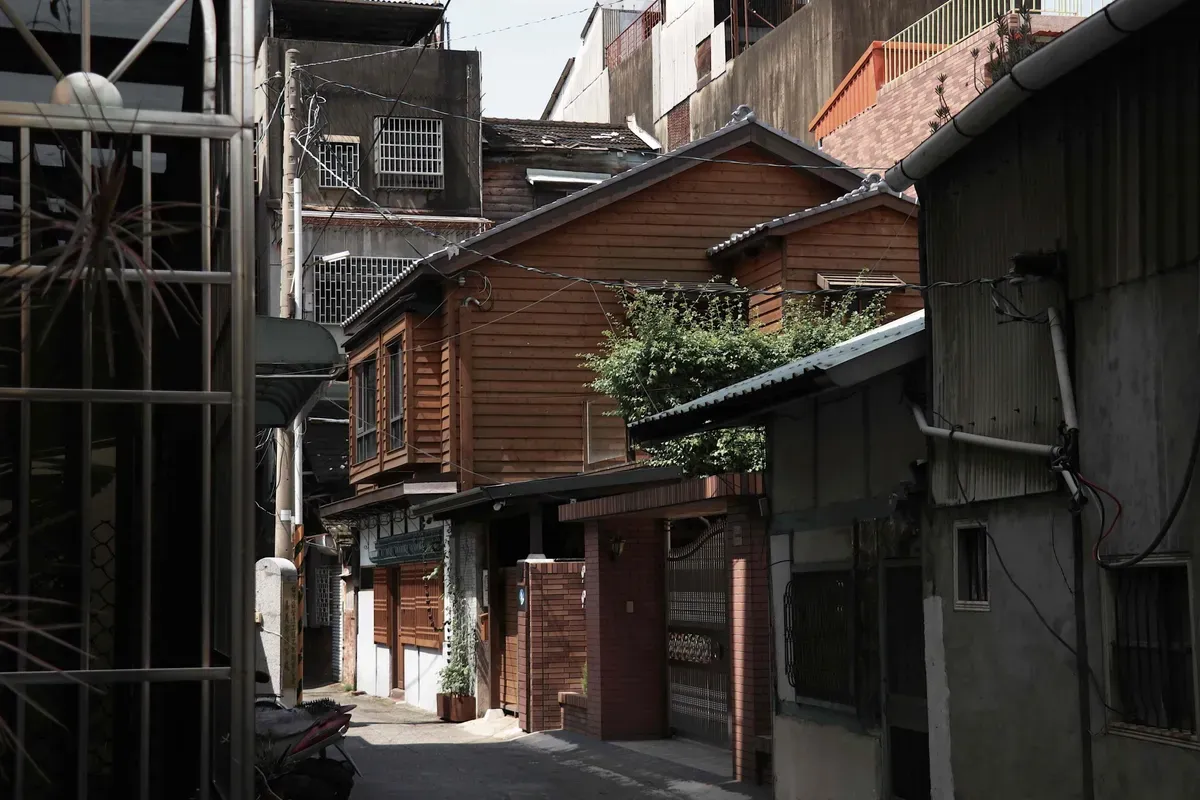
Urban renewal in Chiayi continues to evolve.From Timber City 1.0 and 2.0—focused on wood production, housing, and cultural preservation—the city has now entered Timber City 3.0.This new phase emphasizes the integration of old and new. Through urban renewal and structural maintenance, wooden houses return to daily use as cafés, guesthouses, and cultural spaces. By adding creativity and cultural value, these buildings once again become part of the city’s economy and everyday life.
The “Chiayi Wooden House Restoration” Program
Under the “Chiayi Wooden House” initiative, restoration follows a repair-first approach, rather than full renovation.
Original wooden proportions are preserved, while professional assessments guide structural reinforcement and improvements to common issues such as insufficient natural light. Modern wood technologies are introduced during restoration.
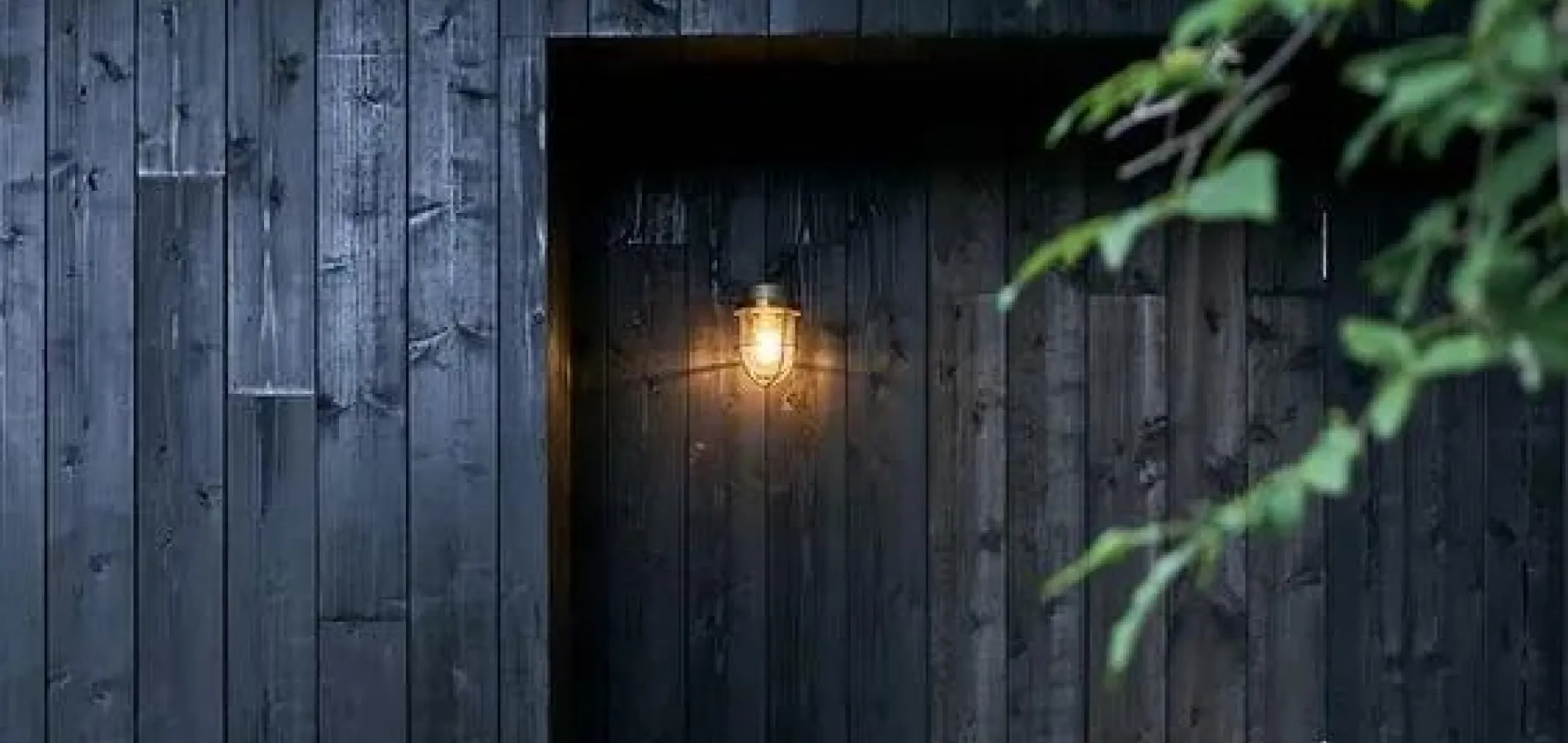
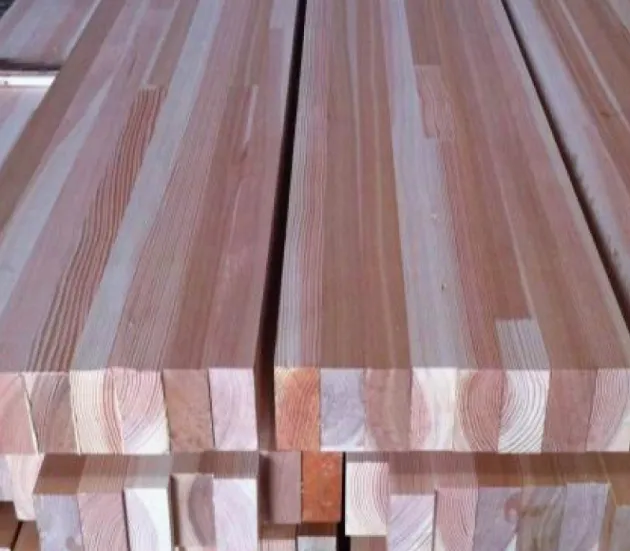
For example, NLT (Nail-Laminated Timber) techniques allow large-span curved structures to be built with minimal processing, achieving both strength and sustainability. Exterior walls use the traditional charred wood Yakisugi method. Carbonized wood extends service life, reduces termite risk, and creates a calm, wabi-sabi aesthetic with deep black tones. In addition, the use of glulam enables smaller timber pieces—once requiring decades to grow into large logs—to be bonded into structural members. These engineered materials can exceed the strength of solid wood of the same size and are now a key force in revitalizing the timber industry.
Restoring Wooden Houses for the Future
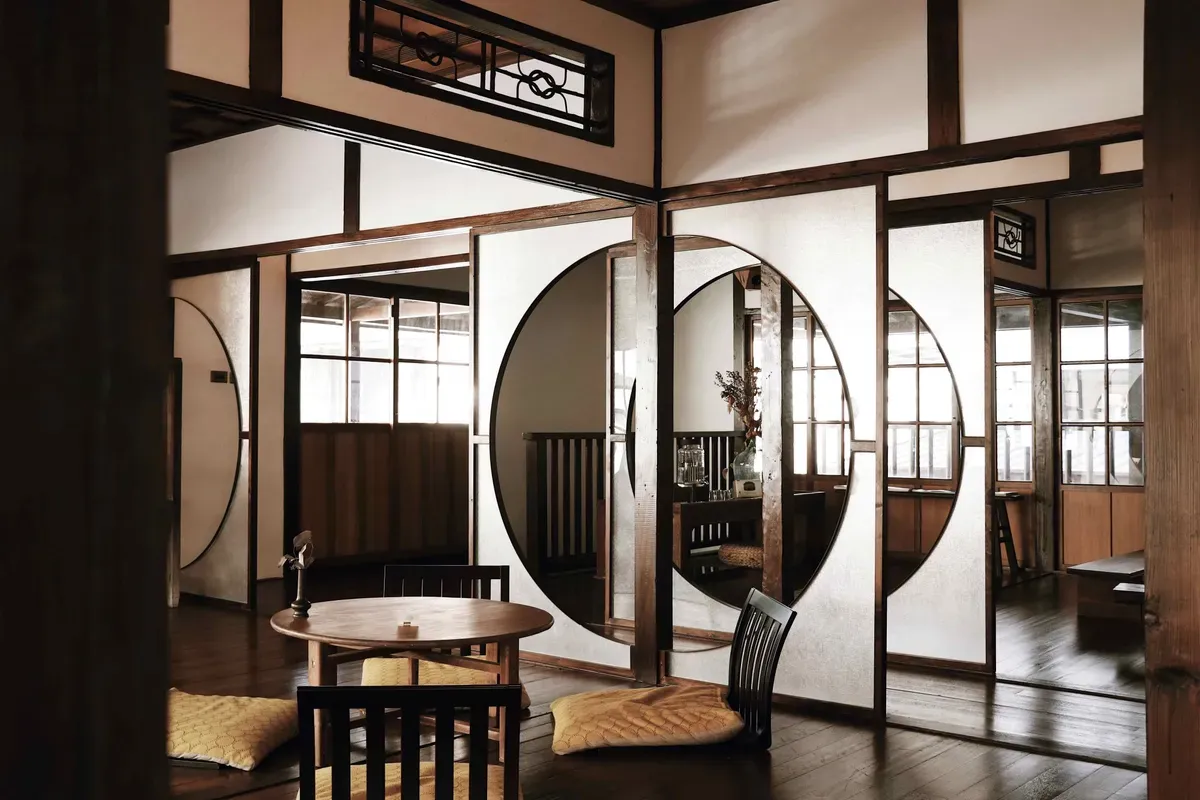
Advances in wood technology allow historic houses to face the future with confidence.
Reusing wooden structures is, by nature, a sustainable approach—extending material value across generations and preserving cultural memory.
bestwood believes that great architecture begins with the right wood. We are not just a supplier, but your wood consultant and long-term partner.
From structural timber and decorative wood to specialty panels, from FSC-certified materials to custom cutting solutions, bestwood turns ideas into practical, buildable solutions.
GET YOUR BEST WOOD FROM bestwood— Build what you imagine, with wood.
Read More
Related Product
Source :
https://www.shoppingdesign.com.tw/post/view/12793?
https://www.gvm.com.tw/article/108732
https://www.shoppingdesign.com.tw/post/view/11526
https://nspp.mofa.gov.tw/nspp/news.php?unit=406&post=233109


