
The Art of Shell and Wood
Mother-of-pearl inlay is more than decoration—it is a continuation of cultural craftsmanship. The luminous beauty created from both forest and ocean materials is a heritage worth preserving.
Contents :
1.A Thousand Years of Light
2.The Delicate Craft of Mother-of-Pearl
3.Characteristics of the Craft
4.Mother-of-Pearl vs. Wood Marquetry
5.Preserving the Light of Forest and Ocean
A Thousand Years of Light
In the history of Eastern craftsmanship, early forms of mother-of-pearl inlay can be traced back to artifacts discovered in tombs from the Western Zhou Dynasty. By the Tang Dynasty, the craft had matured and cultural exchanges between China and Japan were active. A famous example is the Tang-era mother-of-pearl pipa preserved in Japan’s Shōsōin treasure house.
During the Ming and Qing dynasties, the technique reached its peak, often combined with jade and precious stones to create highly decorative works.
Although many people today may not immediately recognize the term “mother-of-pearl,” the shimmering shell patterns seen on fine wooden furniture remain familiar and admired.
The Delicate Craft of Mother-of-Pearl
In Chinese terminology, “luo” refers to shells, while “dian” means inlay.
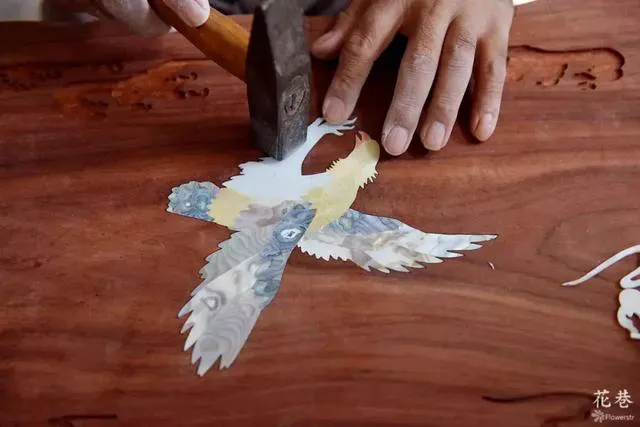
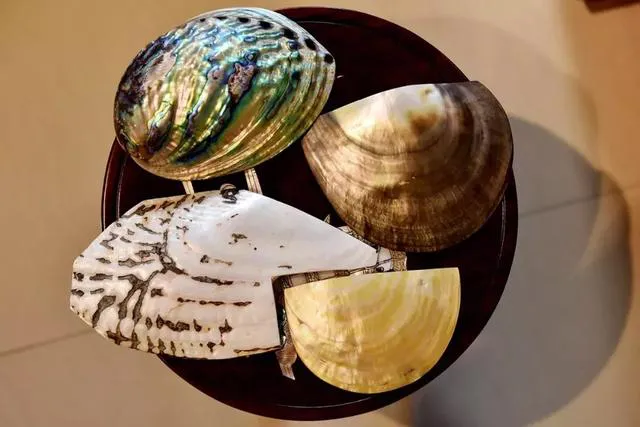
The craft involves grinding natural shells—such as abalone, clam, or freshwater mussel—into thin pieces and embedding them into lacquerware or wooden surfaces according to a designed pattern.
Under light, the shell surfaces produce an iridescent glow similar to fireflies.
The production process is complex and requires careful design and patient handcraft. Each piece of mother-of-pearl work is a collaboration between natural materials and skilled artisans.
Characteristics of the Craft
Traditionally, pearl oyster shells were used, producing a pure white tone known as “white mother-of-pearl.”
Modern innovations now incorporate shells with different natural colors, creating more vibrant variations known as “colored mother-of-pearl.”
From a distance, the patterns appear like paintings. Up close, the natural shell textures flow between the wood grain. This interplay between materials is what makes the craft so captivating.
Mother-of-pearl inlay is not only decorative—it is about balance.
The warmth of wood contrasts with the brilliance of shell, creating depth and visual layers within a design.
Mother-of-Pearl vs. Wood Marquetry
Mother-of-pearl inlay differs from wood marquetry.
Marquetry typically uses different wood species to form patterns, focusing on variations in grain and color. Mother-of-pearl introduces shell materials, adding natural iridescence and reflective qualities.
From a technical perspective, artisans must leave precise space during inlay so the shell can move slightly with the wood’s expansion and contraction. Multiple polishing stages are then required to achieve a smooth and level surface.
Because the technique combines different materials, it demands higher standards for wood stability and moisture control.
Preserving the Light of Forest and Ocean
The beauty of mother-of-pearl is elegant and timeless, but it must be supported by stable and high-quality wood.
bestwood understands that proper material selection is essential to both structural safety and design integrity. We are not just a supplier—we are your wood consultant and long-term partner.
From structural timber and engineered wood to specialty panels, from FSC®-certified materials to custom cutting services, bestwood transforms ideas into practical wood solutions.
Combining traditional craftsmanship with sustainable thinking allows cultural heritage to continue into the future. The luminous beauty created from forest and ocean deserves careful protection—and greater recognition.
GET YOUR BEST WOOD FROM bestwood — Great design deserves professional wood expertise.
Read More
 From Timber to Furniture: The Details You Might Have Overlooked
 Cinnamon is Tree Bark?! What Am I Eating?!
Related Product
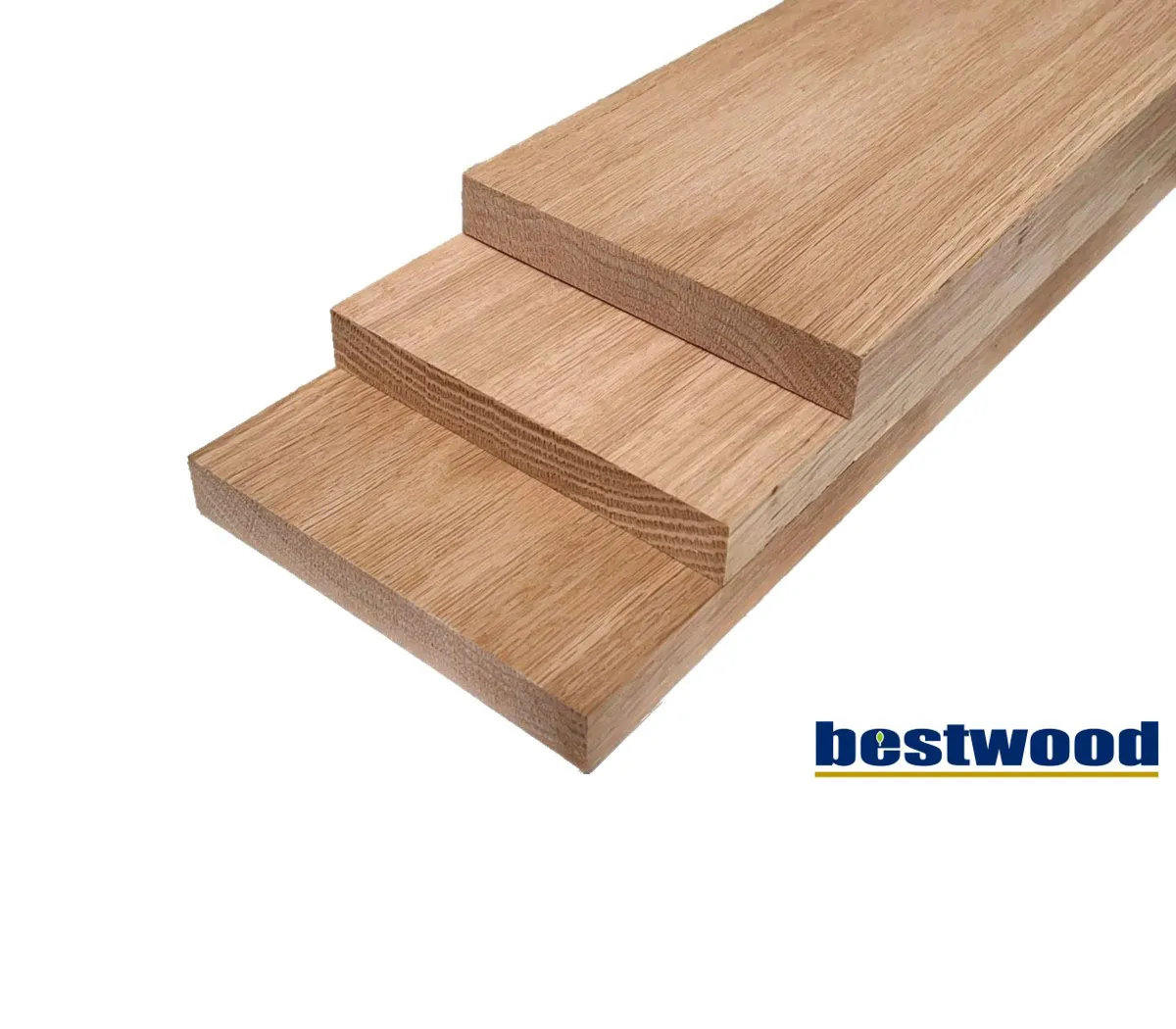
 American White Oak
Source:
https://kknews.cc/culture/666yp8v.html
https://reurl.cc/Vmy4jZ
https://playing.ltn.com.tw/article/11528/1
https://m.cls.cn/detail/1200029


