
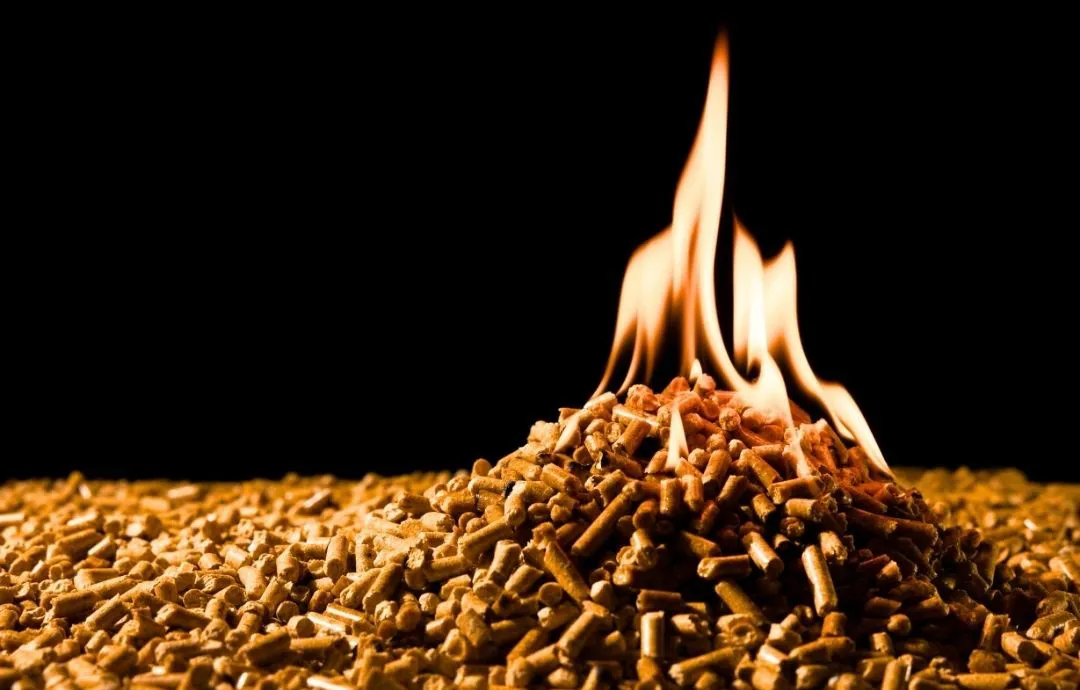
Wood Biomass Energy | Turning Waste into Renewable Value
Transforming unused wood resources into energy is a smarter way to extend their value.
Contents :
1. A Traditional Energy Source Revisited
2. Using What Was Once Waste
3. Wood Pellets: Small Size, High Efficiency
4. Is Burning Wood Really Green?
5. The Importance of Sustainable Forest Management
6. Wood as a Circular Resource
A Traditional Energy Source Revisited
When discussing renewable energy, most people think of solar, wind, or hydropower. However, one of the oldest energy sources is often overlooked—wood biomass.
Biomass energy refers to energy produced from organic materials such as wood, agricultural waste, and food residues. These materials can be converted into heat or electricity through various processes.
In fact, since humans first learned to use fire, wood has been one of the earliest energy sources. From simple heating to modern industrial boilers and power generation, the core principle remains the same.
Among different biomass sources, wood is one of the most important due to its relatively high energy density and stable combustion.
However, wood biomass does not mean cutting down trees just for fuel. Instead, it focuses on reusing wood waste that would otherwise be discarded.
- Offcuts and residues from sawmills and wood processing plants
- Wood chips and sawdust
- Pruned branches and thinning materials from forest management
These materials are processed into fuel forms such as wood pellets, which can then be used for heating systems, industrial boilers, combined heat and power (CHP), and electricity generation.
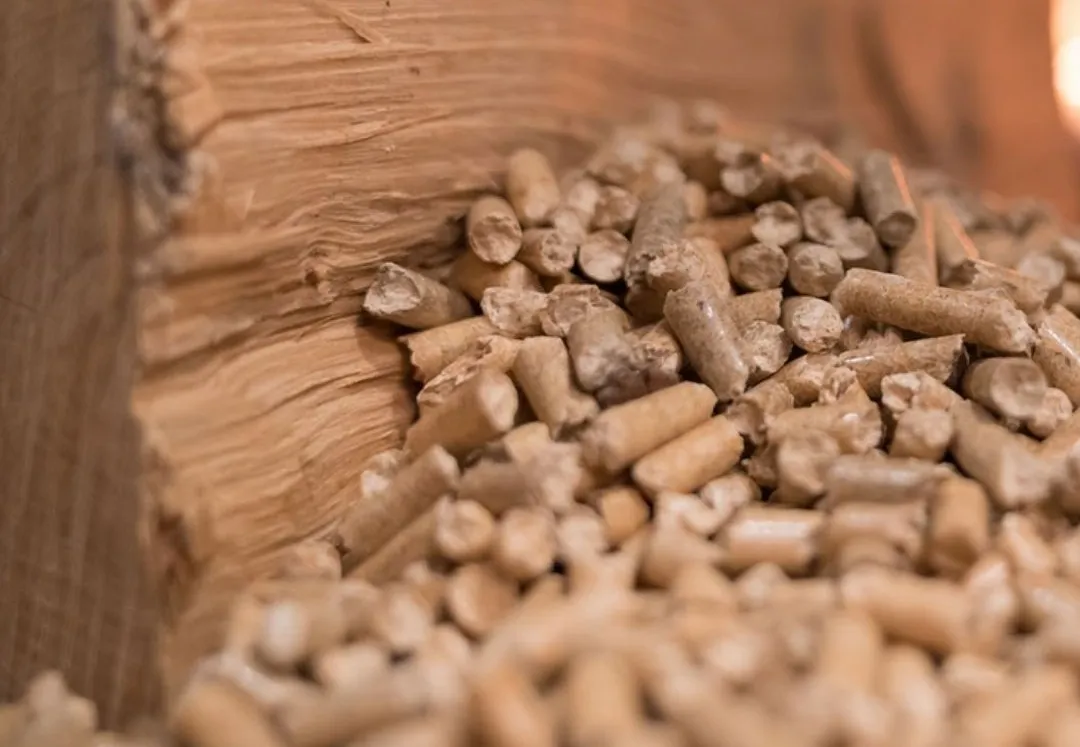
One of the most widely used forms of wood biomass fuel is wood pellets. Although they resemble small granules similar to cat litter, their performance is highly efficient.
Wood pellets are produced by grinding wood residues, drying them, and compressing them under high pressure into dense, uniform pellets. This process improves transportation, storage, and quality control.
When used in heating systems and energy facilities, wood pellets can achieve combustion efficiencies of around 80–85%. Instead of being discarded, these materials are transformed into valuable energy.
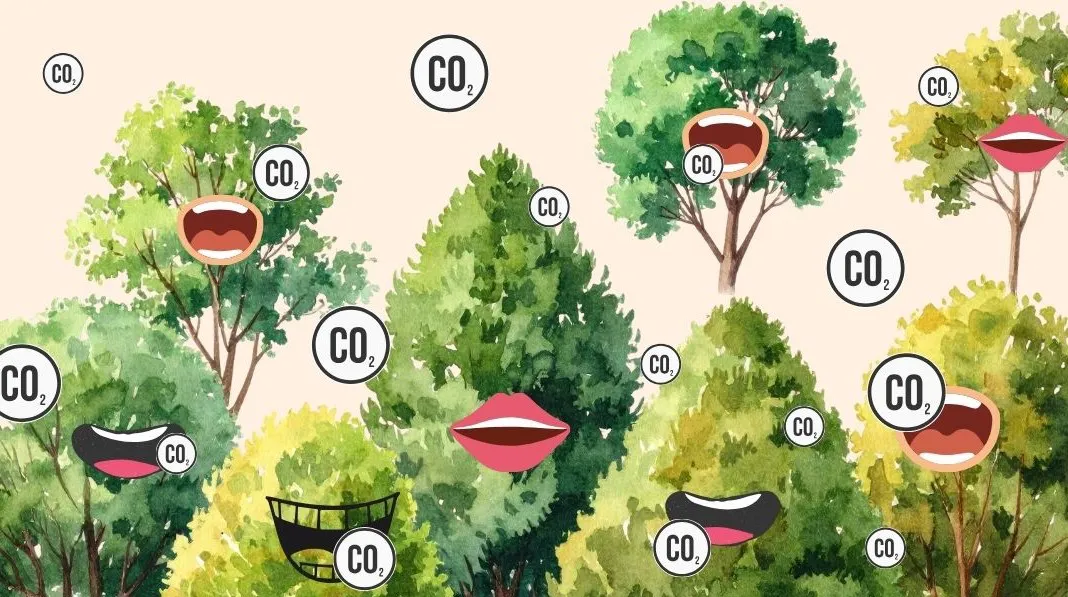
Is Burning Wood Really Green?A common question is whether burning wood can truly be considered a green energy source. After all, combustion releases carbon dioxide.
The key difference between wood and fossil fuels lies in the carbon cycle. Trees absorb carbon dioxide during their growth, storing carbon in their structure. When wood is burned, the carbon released is part of this natural cycle.
If forests are properly managed—with continuous planting and regeneration—the overall system can approach carbon balance over time.
While wood biomass offers many benefits, it also comes with challenges. These include:
- Raw material collection
- Moisture control
- Transportation costs
- Combustion efficiency
- Equipment investment
- Sustainability standards
Without proper regulation, biomass energy may be misused or misunderstood as “green energy.”
Its sustainability depends on responsible forest management practices, including controlled thinning, continuous replanting, and adherence to environmental standards.
Wood as a Circular ResourceUsing wood is not simply consumption—it is about using resources in the right way. Wood can be reused, repurposed, and integrated into a circular system.
At bestwood, we believe that professional material selection starts from responsible sourcing. We are not only a supplier—we are your wood consultant and long-term partner.
From structural timber and decorative materials to specialty panels, from FSC®-certified wood to customized cutting solutions, bestwood provides complete wood solutions for your needs.
GET YOUR BEST WOOD FROM bestwood — Moving forward together with a commitment to sustainability.
Read More
 From Log to Lumber | Precision Cutting and Value Optimization
 From Zero to Timber | Building Forests from the Ground Up
Related Product
 Hardwood
Source:
https://www.bioeconomy.tw/wp-content/uploads/2023/01/07%E8%87%BA%E7%81%A3%E6%98%AF%E5%90%A6%E5%85%B7%E5%82%99%E7%99%BC%E5%B1%95%E6%9C%A8%E8%B3%AA%E8%83%BD%E6%BA%90%E4%B9%8B%E6%BD%9B%E5%8A%9B%EF%BC%9F.pdf
https://www.wel.com.tw/bioenergy http://iwrp.muga.org.tw/news_detail.php?lcID=3&cID=0&Key=325
https://www.bnext.com.tw/article/74882/clean-energy-biomass
https://www.cw.com.tw/article/5123850
https://depositphotos.com/cn/photo/sawmill-process-of-machining-logs-in-equipment-sawmill-machine-saw-saws-the-tree-trunk-on-563896238.html
https://yd-tw.com/industrialpellets/


