
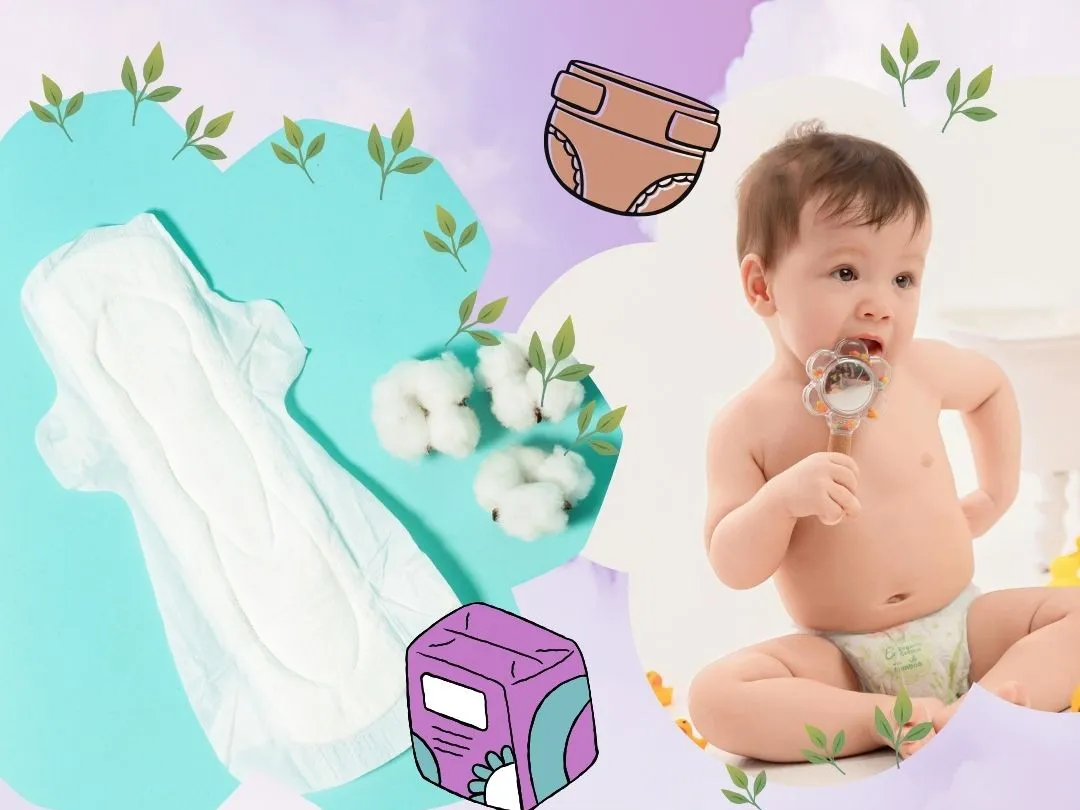
The Secret Behind Sanitary Pads & Diapers | Discovering Wood in Everyday Life
Wood is closer to our daily lives than most people realize. Even in unnoticed details, wood is quietly present.
Contents :
1. The First Commercial Sanitary Pad
2. The Lightweight Fiber with High Absorption
3. What is Fluff Pulp?
4. Wood and the Circular Economy
5. Understanding Materials Creates Better Choices
The First Commercial Sanitary Pad
Most people visit supermarkets every week, but few realize that common products such as sanitary pads and diapers are not actually made from cotton.
The history of sanitary pads began during World War I. Frontline nurses discovered that medical dressings made from wood pulp could absorb up to five times more liquid than cotton. After the war, engineers at Kimberly-Clark brought this idea into commercial production, leading to the launch of the first sanitary pad brand, Kotex, in 1920.
This innovation changed the hygiene product industry forever.
The breakthrough came from finding a material that was both lightweight and highly absorbent.
Inside modern sanitary pads and diapers, the soft absorbent core is usually made from a specially processed wood-based material known as Fluff Pulp.
This material allows products to remain thin and comfortable while still providing strong absorption performance.
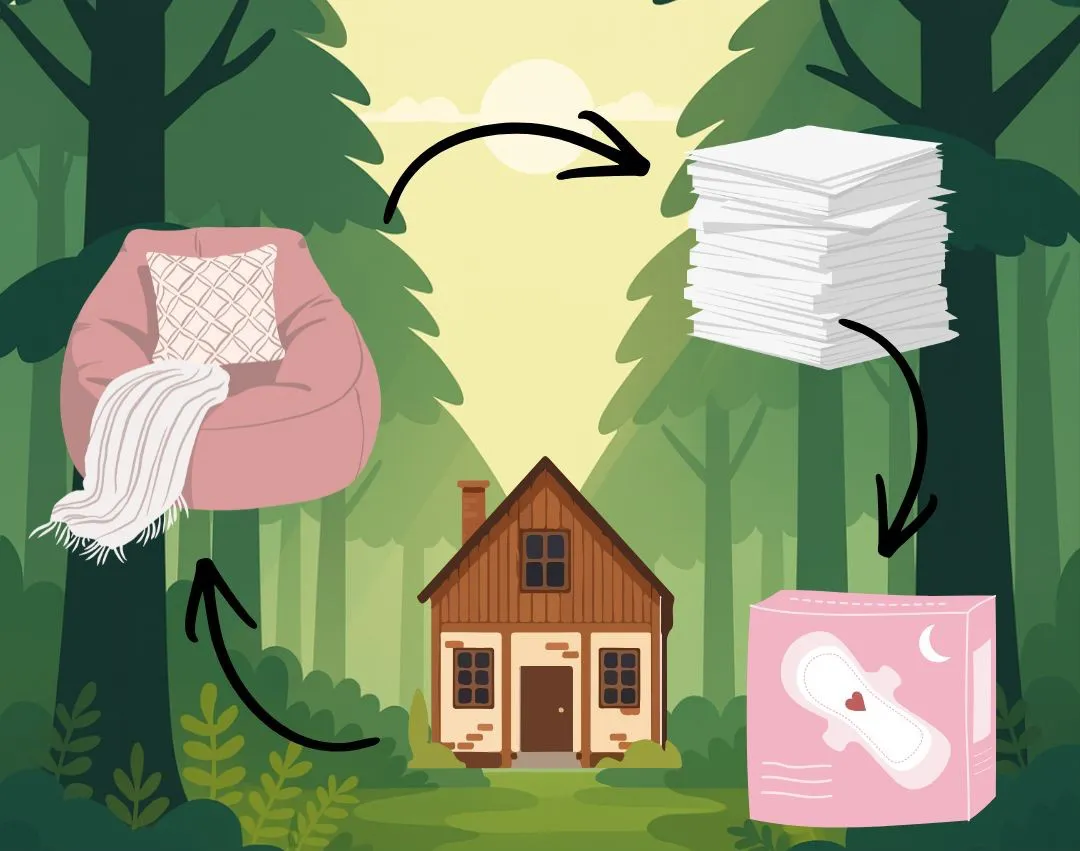
Fluff pulp is mainly produced from softwood species such as pine and spruce, which provide long and durable fibers.
The production process begins by cutting logs into wood chips. These chips undergo chemical pulping under high temperature and pressure, separating lignin from the fibers and leaving purified cellulose behind.
The material is then compressed into sheets and mechanically processed into a light, fluffy structure. High-speed equipment separates the fibers into tiny soft particles that can quickly absorb and retain moisture.
The final product can absorb more than 20 times its own weight in liquid.
Today, the global consumption of fluff pulp used in sanitary pads and diapers exceeds 6 million metric tons annually—far more than most people imagine.
A single tree can become many different products throughout its lifecycle:
- Structural building materials
- Furniture and flooring
- Supporting biodiversity and maintaining ecological balance
- Paper and packaging
- Personal hygiene products used every day
This shows how closely human life is connected to wood and forest resources.
Supporting wood-based products from responsible sources also supports sustainable forestry. When forests are properly managed, harvested trees are replaced with new growth, creating a renewable carbon cycle that contributes to long-term environmental balance.
When people better understand where wood comes from and how it is used, they begin making more sustainable decisions.
At bestwood, we are more than a wood supplier—we are your timber consultant and long-term partner. From structural timber and decorative materials to specialty panels, and custom processing solutions, we help turn sustainable ideas into practical applications.
GET YOUR BEST WOOD FROM bestwood — Choosing bestwood means choosing a reliable and professional partner.
Read More
 Wood Biomass Energy | Turning Waste into Renewable Value
 From Zero to Timber | Building Forests from the Ground Up
Related Product
 Hardwood
Source:
https://www.cnwelldone.com/blog-complete-guide-to-setting-up-a-sanitary-pad-production-line
https://www.qzniso.com/top-great-fluff-pulp-for-sanitary-napkin_p68.html
https://www.andritz.com/spectrum-en/suzano-s-fluff-pulp-endeavor https://pmc.ncbi.nlm.nih.gov/articles/PMC9370493/
https://www.storaenso.com/en/products/market-pulp/fluff-pulp-for-hygiene-products
https://en.wikipedia.org/wiki/Menstrual_pad
https://www.youtube.com/watch?v=beywF3mgUzc&t=177
http://www.papershop.com.tw/concepts/process.aspx
https://www.gii.tw/report/sky1900510-wood-pulp-market-size-share-growth-analysis-by.html


