
Sawmill Byproducts|From Industrial Waste to Everyday Materials
What was once considered waste can become energy, new products, and part of a sustainable material cycle.
Contents :
1. One Hundred Truckloads of Wood Residue
2. Turning Waste Into Energy
3. The Rise of Circular Economy Practices
4. A New Identity for Wood Offcuts
5. From Sawdust to Interior Products
6. Understanding Wood Creates Better Material Choices
One Hundred Truckloads of Wood Residue
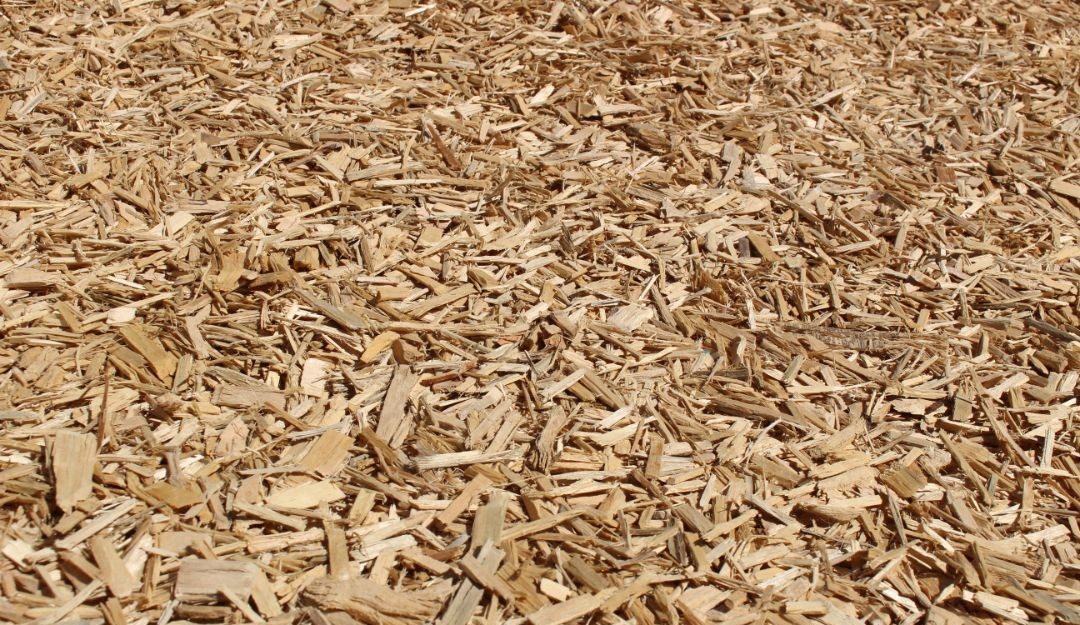
A large industrial sawmill can produce enough wood residue in a single month to fill 100 to 150 dump trucks.
This is not an exaggeration.
Once logs enter a sawmill and are processed into standard lumber sizes, large amounts of byproducts remain behind, including:
Turning Waste Into Energy
In the past, one of the most common solutions was to burn sawdust and wood residue to generate heat and electricity.
The thermal energy produced from biomass boilers can power kiln drying systems, helping reduce the moisture content of freshly cut timber. In many modern mills, the energy is also converted into electricity to support production lines and factory operations.
This approach reduces dependence on external fuel and power sources, allowing wood waste to become a self-sustaining energy resource.
However, even with biomass energy systems, wood residue is often generated faster than it can be consumed.
Traditionally, only around 55% to 65% of a harvested log became structural lumber or finished timber products. The remaining 35% to 45% was often discarded or burned.
Today, advances in manufacturing technology have completely changed how the industry views these byproducts.
Instead of waste, sawmill residue is now treated as a valuable raw material that can be transformed into new engineered wood products—turning the timber industry into a practical example of circular economy manufacturing.
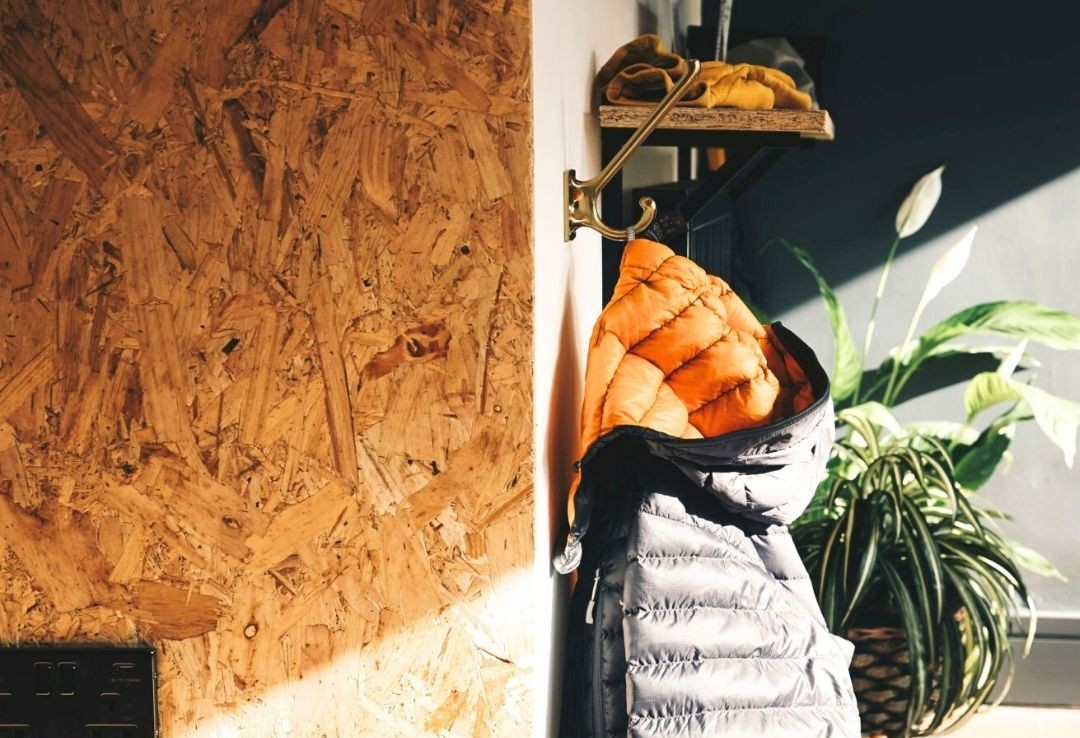
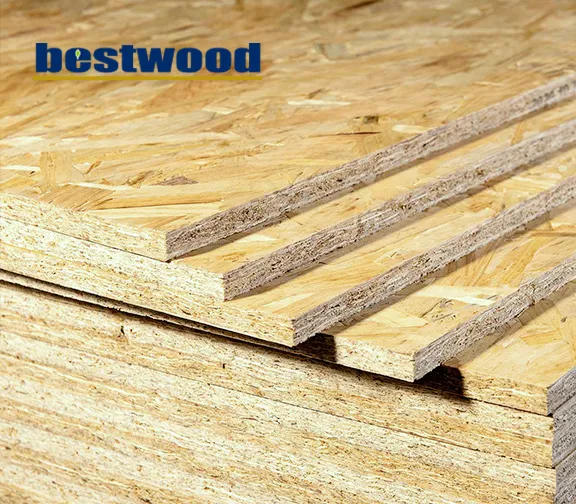
One of the best examples is OSB (Oriented Strand Board).
OSB is produced by cutting wood residue and larger wood flakes into thin strands, arranging them in alternating directions, and pressing them together under heat and pressure.
This layered structure gives the panel strong and stable load-bearing performance in multiple directions, reducing deformation caused by uneven pressure.
Today, OSB is widely used for:
- Wall sheathing
- Roof decking
- Floor structures
- Construction site applications
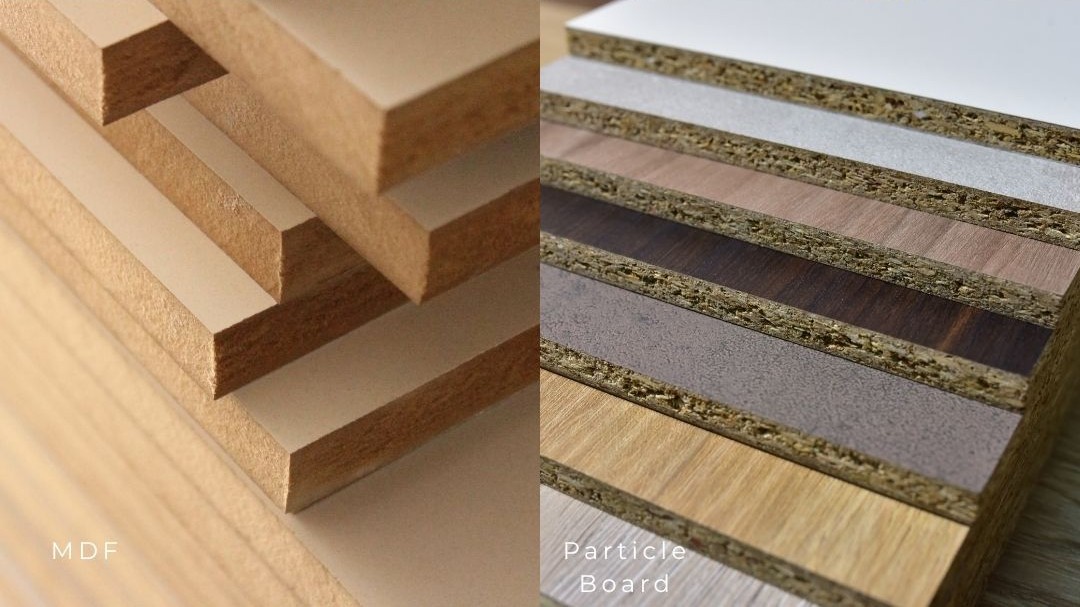
Another important engineered material is MDF (Medium Density Fiberboard).
MDF is manufactured by refining wood residue into fine fibers, then compressing the material into smooth and dense panels. Its flat surface makes it highly suitable for:
- Veneering
- Painting
- Cabinet doors
- System furniture
Particle Board follows a similar production process but uses larger particles and lower density materials. It is lighter in weight and more cost-effective, commonly used for:
Many modern furniture products and interior panels used today are made from MDF or particle board derived from recycled wood materials.
Understanding Wood Creates Better Material Choices
When people understand the full journey of timber—from logs to finished products—they can make better decisions about material selection and sustainability.
At bestwood, we believe professional wood selection begins with a complete understanding of how timber is processed and applied. From structural lumber and decorative wood to specialty panels and FSC®-certified materials, bestwood provides practical timber solutions supported by professional knowledge and customized processing services.
GET YOUR BEST WOOD FROM bestwood — Professional wood solutions built on understanding materials from source to application.
Read More
 From Zero to Timber | Building Forests from the Ground Up
 From Timber to Stability | Drying Is the Process That Makes Wood Truly Ready
Related Product
 OSB
OSBSource:
https://www.youtube.com/watch?v=_tRd3MpAwrU
https://homertree.com/mulch-and-grinding/commercial-services/
https://www.youtube.com/watch?v=_tRd3MpAwrU


