
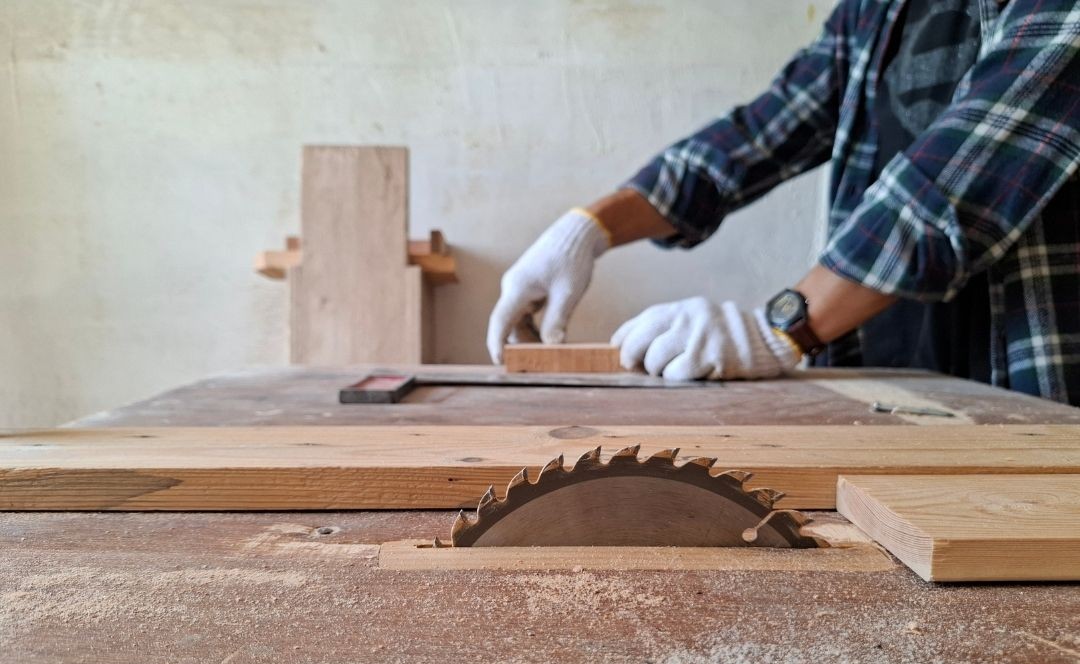
Woodworking Materials | The Hidden Structure Behind Beautiful Interiors
The right materials not only bring design ideas to life—they ensure those spaces remain functional and enjoyable for years to come.
Contents :
1. The Importance of a Strong Foundation
2. Understanding Woodworking Projects
3. Material Selection Makes the Difference
4. Solid Timber and LVL Framing
5. Plywood: The Structural Base of Interior Finishing
The Importance of a Strong Foundation
Interior renovation can be compared to applying makeup, while woodworking serves as the foundation beneath it all. If the foundation is weak, even the most beautiful design may fail to achieve its full potential.
Ceiling details, television feature walls, built-in shelving systems, and custom cabinetry are all part of woodworking projects. Behind these finished elements lies close collaboration between designers, craftsmen, and quality materials. Only when these components work together can the final result deliver both precision and durability.
Understanding Woodworking Projects
Woodworking is involved in several key areas of interior construction, including ceilings, flooring, partitions, and cabinetry.
Ceiling Systems
Ceilings do far more than define a room's appearance. They conceal mechanical and electrical systems such as air-conditioning pipes, plumbing, wiring, and sprinkler installations.
They also provide opportunities for creative design features, including recessed lighting, decorative lines, and integrated architectural details that enhance the visual appeal of a space.
Flooring Applications
Wood flooring introduces warmth and comfort into daily living. Walking barefoot on timber surfaces creates a natural and welcoming atmosphere.
Floor-related woodworking may include elevated platforms, raised sleeping areas, entryway features, or custom-designed living spaces that add depth and functionality to the home.
Interior Partitions
Timber partitions offer exceptional flexibility. They can define separate zones within an open floor plan, improve privacy, and reinforce a specific design concept.
Whether creating a cozy reading corner or establishing clear boundaries between functional areas, partitions contribute both aesthetic value and practical benefits.
Custom Cabinetry
Cabinetry encompasses nearly every storage solution within a home—from television consoles and shoe cabinets to wardrobes, utility storage, and bathroom vanities.
Custom-built cabinets maximize available space while adapting to individual lifestyles. By selecting moisture-resistant or insect-resistant materials, homeowners can also extend the lifespan of these installations.
Beyond appearance, successful cabinetry must balance design with everyday functionality.
Material Selection Makes the Difference
The quality of woodworking often depends on decisions made long before installation begins.
Environmental conditions should be considered carefully, as excessive humidity may influence the moisture content of timber products. Once installed, changes in moisture levels can lead to shrinkage, movement, or deformation.
Before materials enter the construction site, they should be inspected thoroughly for cracks, insect damage, or termite activity. Preventive measures at this stage help reduce the risk of future maintenance issues.
Even the most attractive design may struggle to perform well over time if the materials themselves are compromised. Reliable sourcing and consistent quality are therefore essential factors in long-term success.
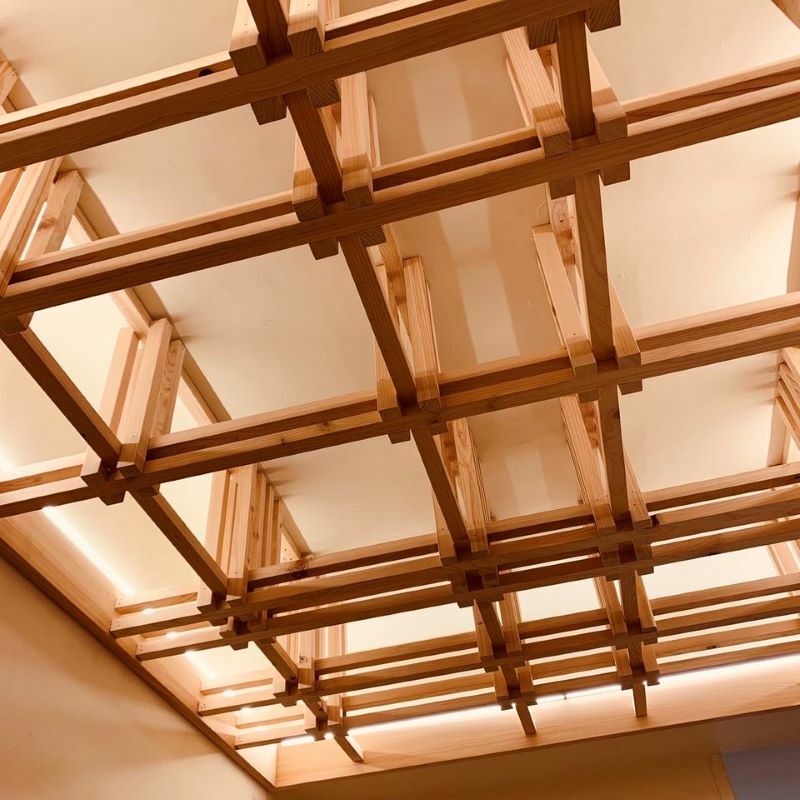
Solid Timber Framing
Spruce and Red Pine are widely recognized as suitable species for timber framing applications.
These woods are valued because they generally present fewer insect-related concerns. Their straight grain patterns, uniform density, and ease of processing contribute to stable performance, making them popular choices for ceiling frameworks and wall structures.
LVL (Laminated Veneer Lumber)
LVL is an engineered wood product manufactured by bonding multiple layers of veneer together with the grain running in the same direction.
During production, natural defects and weaker portions of the timber are minimized, resulting in a material with consistent strength and dimensional stability.
Compared with conventional lumber, LVL offers improved resistance to warping and twisting, making it particularly suitable for longer spans and structural applications where precision is critical.
Plywood: The Structural Base of Interior Finishing
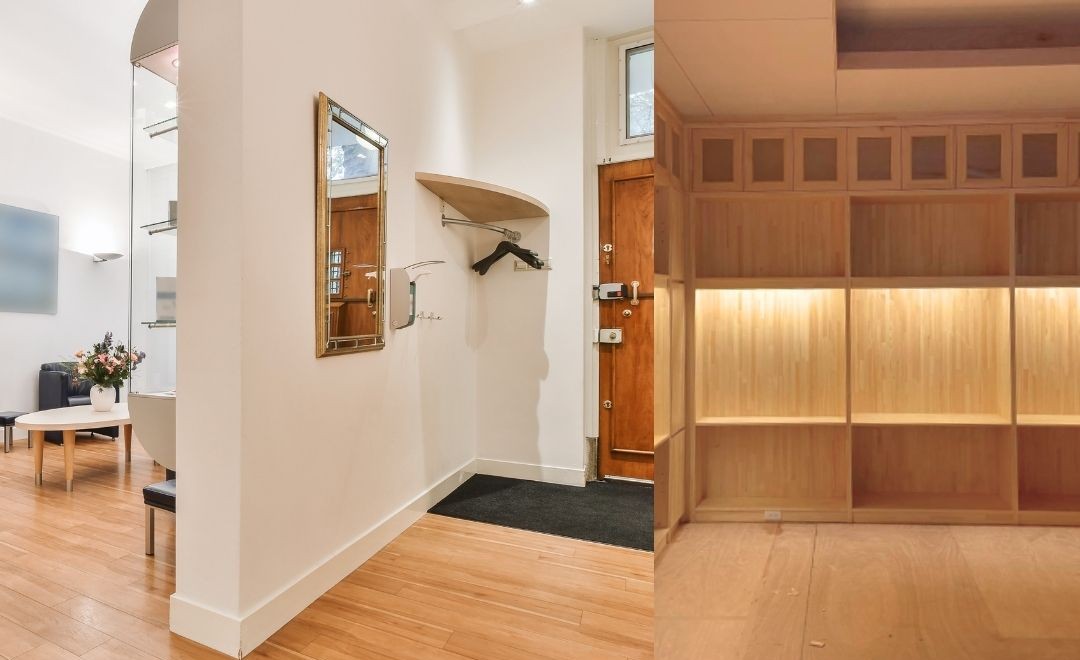
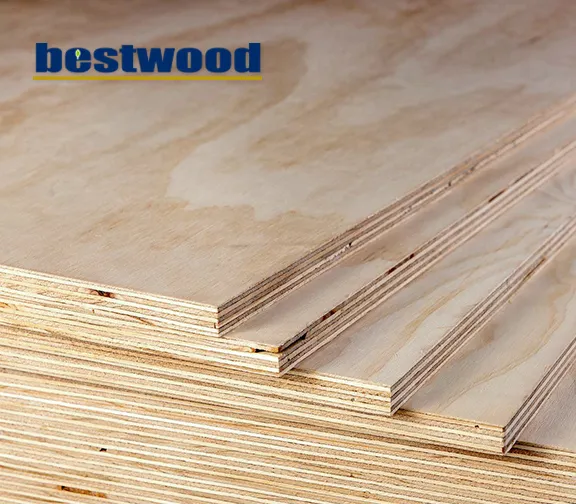
Plywood, also known as laminated board, remains one of the most commonly used materials in woodworking projects.
It is manufactured by layering thin wood veneers in alternating directions and bonding them under heat and pressure. This cross-laminated structure helps distribute stress evenly across the panel while minimizing the weaknesses associated with grain orientation. As a result, plywood provides reliable strength and stability across a wide range of applications.
From ceiling substrates to television feature wall backing panels, plywood serves as one of the most important structural materials in interior woodworking.
Great interior spaces begin with thoughtful material selection. At bestwood, we understand that the choice of timber influences not only structural reliability but also the overall integrity of the design. We are more than a supplier—we are your professional wood consultant and long-term partner.
From structural timber and engineered wood products to specialty panels, FSC-certified materials, and customized cutting solutions, bestwood transforms expertise into practical wood solutions tailored to your project needs.
GET YOUR BEST WOOD FROM bestwood —Turning Your Ideas into Reality Through Wood.
Read More
 From Timber to Stability | Drying Is the Process That Makes Wood Truly Ready
 From Zero to Timber | Building Forests from the Ground Up
Related Product
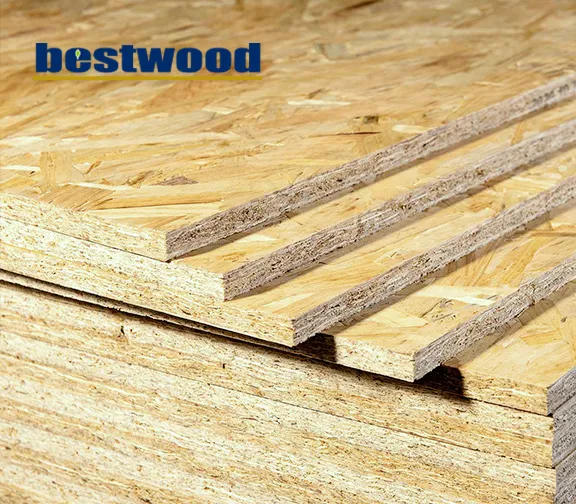 OSB
OSBSource:
https://www.6gui.com.tw/product-detail-3793300.html
https://muxin.tw/what-is-wood-work/
https://www.lanhome558.com/news/details.php?id=497&group_id=98&second_id=4879
https://hand-made.com.tw/手作空間-設計/
https://clearstyle.com.tw/blog/1046


