
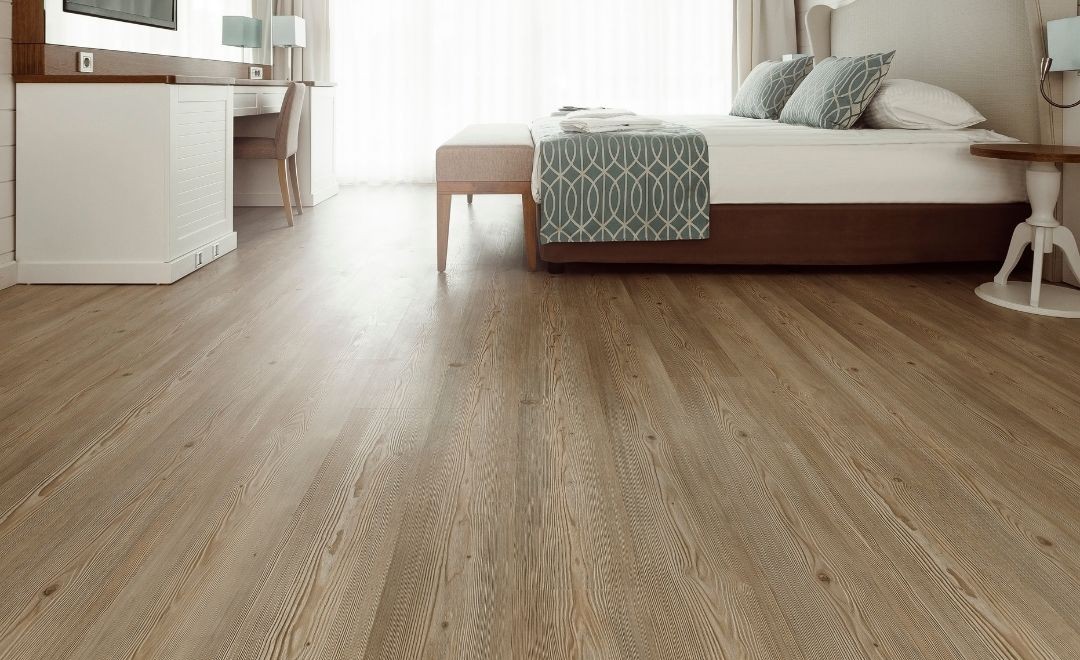
Why Are the Gaps in My Wood Floor Getting Wider or the Floor Lifting?
Expansion and shrinkage are not necessarily defects—they are natural characteristics of wood.
Contents :
1. Does My Wood Floor Need Repair?
2. The Key Factor: Moisture
3. Does Lower Moisture Content Mean Better Wood?
4. What Is Normal and When Should You Pay Attention?
5. Professional Wood Solutions from bestwood
Does My Wood Floor Need Repair?
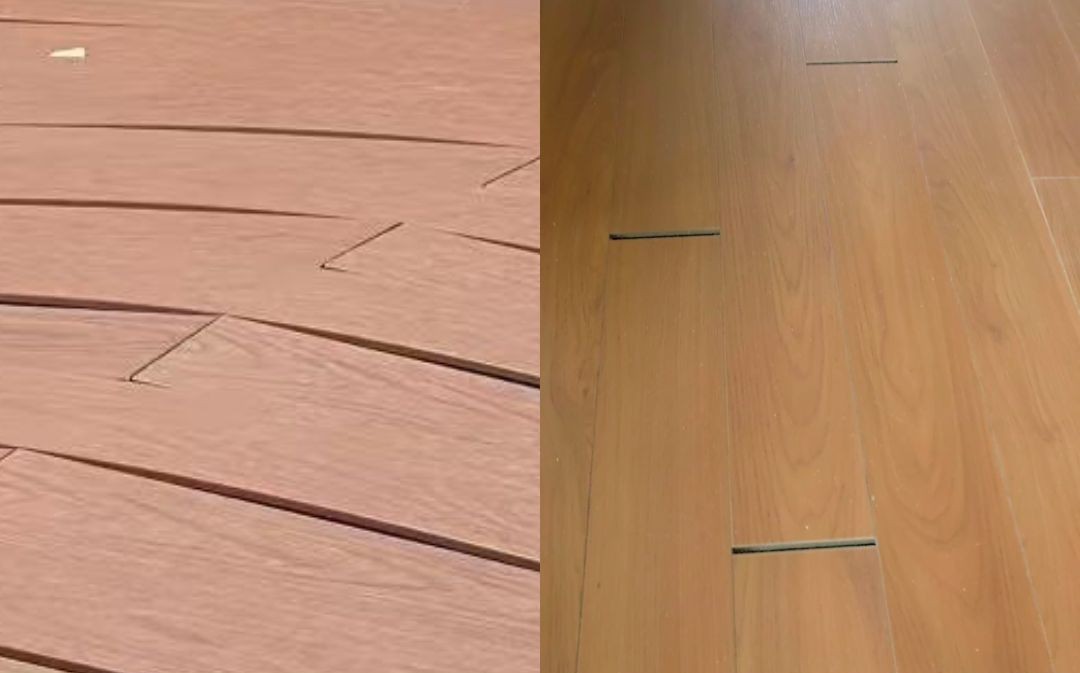
After having wood flooring in your home for some time, you may notice that the gaps between the boards have become wider. In other cases, part of the floor may begin to lift slightly, making the surface feel uneven when you walk on it.
This can be especially noticeable during the rainy season, when flooring near windows may be more likely to lift first. However, both very humid and very dry conditions can cause wood flooring to warp or become uneven.
So what causes these two different conditions? The answer is closely related to moisture.
Wood is a natural material. Unlike plastic or metal, wood interacts with the moisture in the surrounding air. Its cells naturally absorb and release moisture as humidity changes.
💧 When the air is humid, such as during the rainy season, wood absorbs moisture and expands. As a result, the flooring may lift or swell slightly.
💧 When the air is dry, wood releases moisture and shrinks. This can make the gaps between floorboards wider.
These changes are part of the natural behavior of wood. As seasons and surrounding conditions change, wood gradually adjusts to its environment.
Wood exposed to humid outdoor air will have a different moisture condition from wood used indoors with air conditioning, direct sunlight, or different levels of ventilation.
Therefore, some expansion and shrinkage does not necessarily mean there is a quality problem.
Does Lower Moisture Content Mean Better Wood?
Not necessarily.
What matters most is that the moisture condition of the wood is reasonably close to the environment where it will actually be used. 🏠
If wood moves from a humid environment into a dry indoor space, it may lose moisture and experience greater shrinkage.
On the other hand, when dry wood is moved into a high-humidity environment, it absorbs moisture and expands.
A useful reminder: Properly dried wood is generally more stable. Wood with a moisture content of around 19% or below is suitable for indoor environments with relative humidity below approximately 70%.
The key is not simply choosing wood with the lowest possible moisture content, but choosing and preparing wood for the conditions where it will be installed.
What Is Normal and When Should You Pay Attention?
The important question is not simply whether your floor has gaps. Instead, you should consider whether the change is normal seasonal movement or a sign of another problem.
If small gaps or slight unevenness appear evenly across the floor and gradually improve after humidity returns to normal, this is usually a natural seasonal change. In most cases, there is no need to be overly concerned.
However, you should pay closer attention if:
- Only one area of the floor becomes significantly raised.
- The floor makes unusual sounds when you walk on it.
- Cracks, damage, or mold begin to appear.
- The condition does not improve even after the humidity has remained normal for some time.
In these situations, the problem may involve more than the natural expansion and shrinkage of wood. Local moisture exposure or the way the flooring was installed may also be involved. In more serious cases, part of the flooring may need to be removed and reinstalled.
We will explain these situations and possible solutions in more detail in a future article.
Changes in gaps and floor surfaces are often part of the way wood naturally responds to changes in moisture.
bestwood is your timber consultant and professional partner. From structural timber and decorative wood to specialty panels, FSC-certified materials, and custom-sized processing, bestwood turns material knowledge into practical solutions for different applications.
GET YOUR BEST WOOD FROM bestwood —Choosing the right wood starts with bestwood.
Read More
Related Product
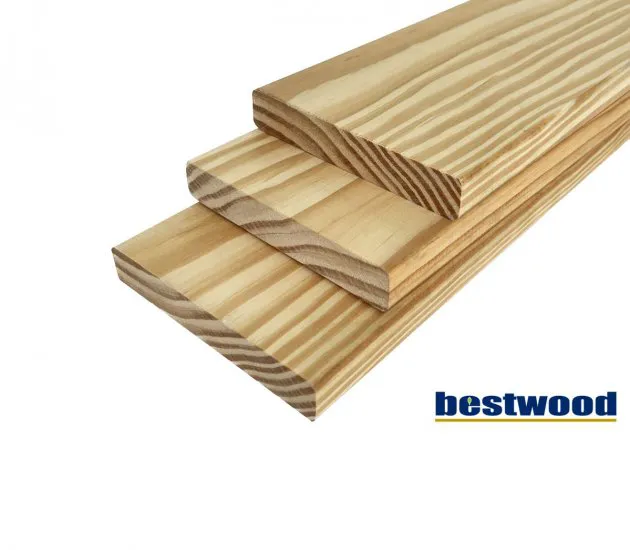 Decking
Source:
https://www.cwcba-wqac.org.tw/forest-tech/index.php?action=knowledge-detail&id=4
https://today.line.me/tw/v3/article/8nXLKoq


