

Why Does Wood Flooring Feel Warmer Underfoot? | From Comfortable Touch to Natural Humidity Control
The natural warmth of wood flooring is something you can truly understand when you feel it under your feet.
Contents :
1. A Familiar Winter Morning
2. The Secret Inside Wood
3. More Than Warmth: Wood Can Help Manage Humidity
4. Why Wood Flooring Is Used in Activity Spaces
5. Why Can Wood Do All of This?
6. Professional Wood Solutions from bestwood
A Familiar Winter Morning
Have you ever stepped out of bed barefoot on a cold winter morning and immediately pulled your feet back because the floor felt freezing?
Walk into a room with wood flooring, however, and the feeling can be noticeably different. The surface often feels warmer and more comfortable underfoot.
This difference is not simply about room temperature. It comes from the physical properties of the materials themselves.
Here is a simple comparison.
Imagine that tile, stone, concrete, and wood are all at exactly the same temperature. When you touch them, wood will usually feel warmer than the other materials.
Why?
Wood contains many tiny pores within its cellular structure. These spaces hold small amounts of still air, and air does not transfer heat easily.
As a result, wood has relatively low thermal conductivity. When your bare feet touch a wood floor, heat moves away from your body more slowly than it does on materials such as tile or stone.
Your feet therefore lose heat more slowly, making the wood surface feel warmer—especially during winter.

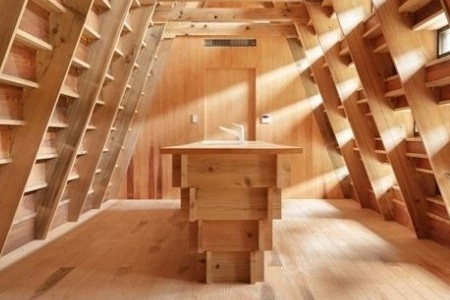
Wood flooring, wall panels, and ceilings can provide another useful function indoors: humidity regulation.
Wood naturally interacts with moisture in the surrounding air. When humidity is high, it absorbs moisture. When the air becomes drier, it releases some of that moisture again.
This natural process can help reduce large changes in indoor humidity and create a more stable and comfortable environment.
Research has shown that unfinished wood surfaces can reduce extreme indoor humidity levels by as much as approximately 63% under certain conditions.
There is another interesting effect. When wood absorbs moisture, the process releases latent heat, which can slightly increase its surface temperature. Thermal imaging measurements have recorded increases of around 1–4°C during moisture absorption.
This helps explain why interiors with extensive wood finishes can create a warmer and more comfortable feeling during colder seasons.
Wood is not only warm to the touch—it also has natural flexibility.
This is one reason wood flooring is widely used in gymnasiums, dance studios, yoga rooms, and other activity spaces.
A properly designed wood flooring system can absorb impact while providing stable rebound. This helps reduce some of the impact transferred to the body and joints during movement.
For spaces where people walk, exercise, jump, or move frequently, the performance of the floor matters just as much as its appearance.

Why Can Wood Do All of This?
Warmth, flexibility, and moisture regulation come from the natural structure of wood.
Unlike hard materials such as tile and concrete, wood is a biological material. The cells inside a tree originally developed to transport moisture and support the weight of the tree. After timber is processed into a building material, many characteristics of this cellular structure remain.
This is why wood can offer several functions within one material—from lower thermal conductivity and natural moisture interaction to flexibility and structural performance.
Wood also stores carbon absorbed from the atmosphere while the tree was growing. That carbon can remain stored in wood products throughout their service life.
When responsibly sourced timber is used in place of more carbon-intensive materials such as concrete or steel where technically appropriate, it can also contribute to lower embodied carbon in a building.
These are some of the natural advantages that make wood more than simply a decorative material.
Want to know which type of wood flooring is suitable for your home, office, or activity space? Contact us through our official LINE account to discuss your requirements.
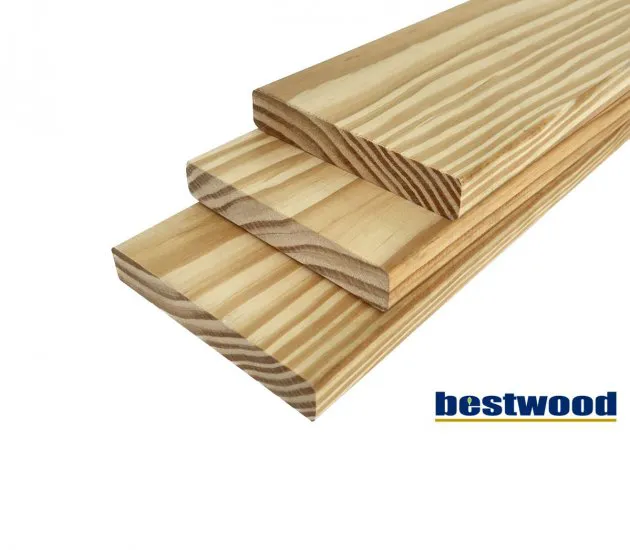
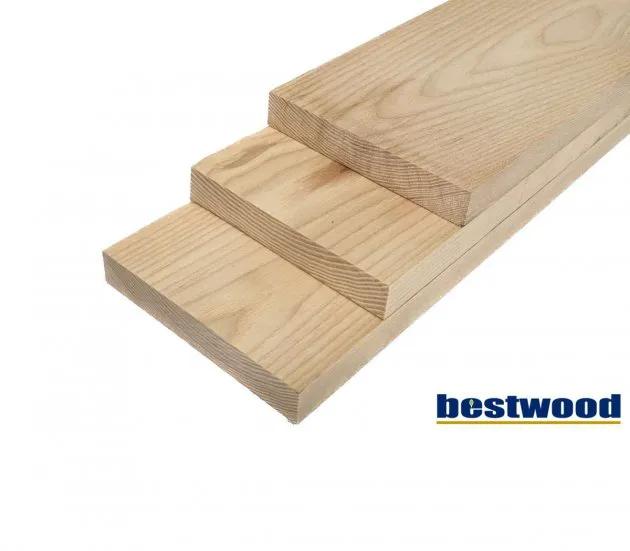
bestwood provides customized timber cutting and processing services for different project needs.
GET YOUR BEST WOOD FROM bestwood
Read More
Related Product
 softwood lumber
Source:
https://woodworkscience.com/thermal-conductivity-r-value-wood/
https://biologyinsights.com/why-is-wood-a-good-insulator/
https://thermtest.com/application/thermal-effusivity-of-flooring-natural-wood-vs-synthetic-wood
https://www.researchsquare.com/article/rs-10491041/v1
https://puuinfo.fi/puutieto/wood-in-interiors/wood-equalises-indoor-humidity/?lang=en
https://link.springer.com/article/10.1007/s00226-017-0968-8
https://www.kieferusa.com/blog/hardwood-sports-floors-key-performance-features/
https://cbmjournal.biomedcentral.com/articles/10.1186/s13021-021-00171-w


