
Bangkirai | Rock-Hard Timber for Outdoor Construction
Dense interlocked grain, rock-like hardness, and excellent durability make Bangkirai a strong timber choice for demanding construction applications.
Contents :
1. A Canopy Bridge High Above the Forest
2. What Is Bangkirai?
3. Dense, Hard, and Naturally Durable
4. Oikumene Church
5. Savill Building
6. Sustainable Larch Forests
7. GET YOUR BEST WOOD FROM bestwood
A Canopy Bridge High Above the Forest
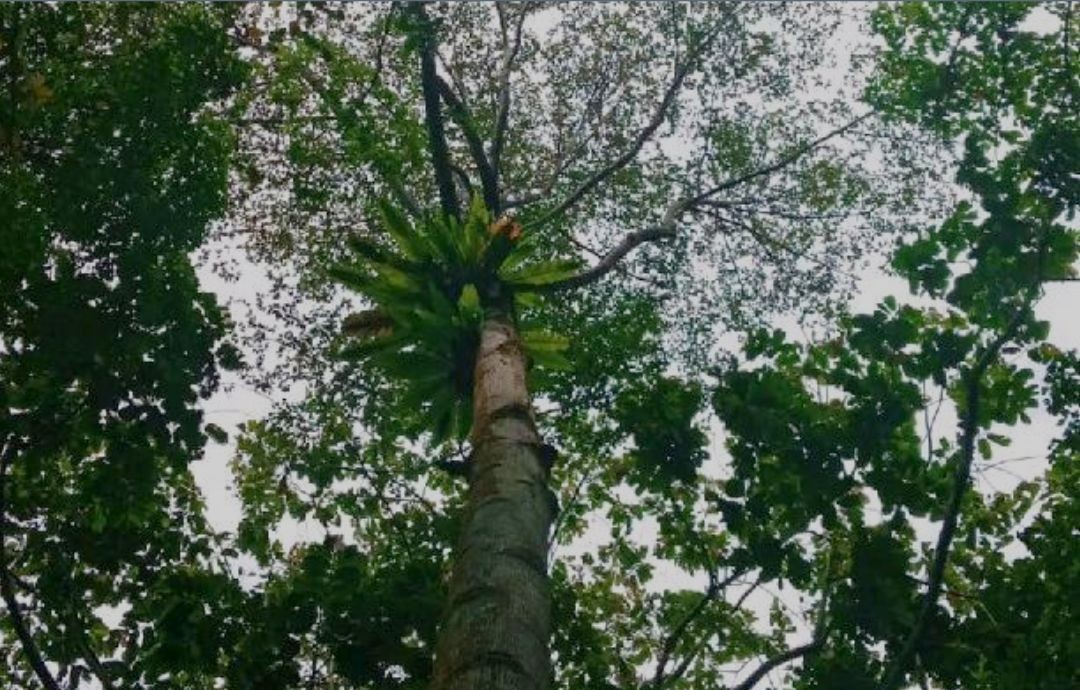
Inside the Bangkirai Hill Nature Reserve in Indonesia, a canopy bridge stretches between the trees about 30 meters above the ground. As Indonesia's first facility of its kind, the bridge extends approximately 64 meters through the forest canopy.
After around 30 years of exposure to sun, rain, and changing weather, the structure continues to stand among the trees.
At the heart of this bridge is Bangkirai, a large tropical hardwood native to the rainforests of Southeast Asia.
What Is Bangkirai?
Bangkirai can be found across Southeast Asia, including Malaysia, Borneo, and the Philippines.
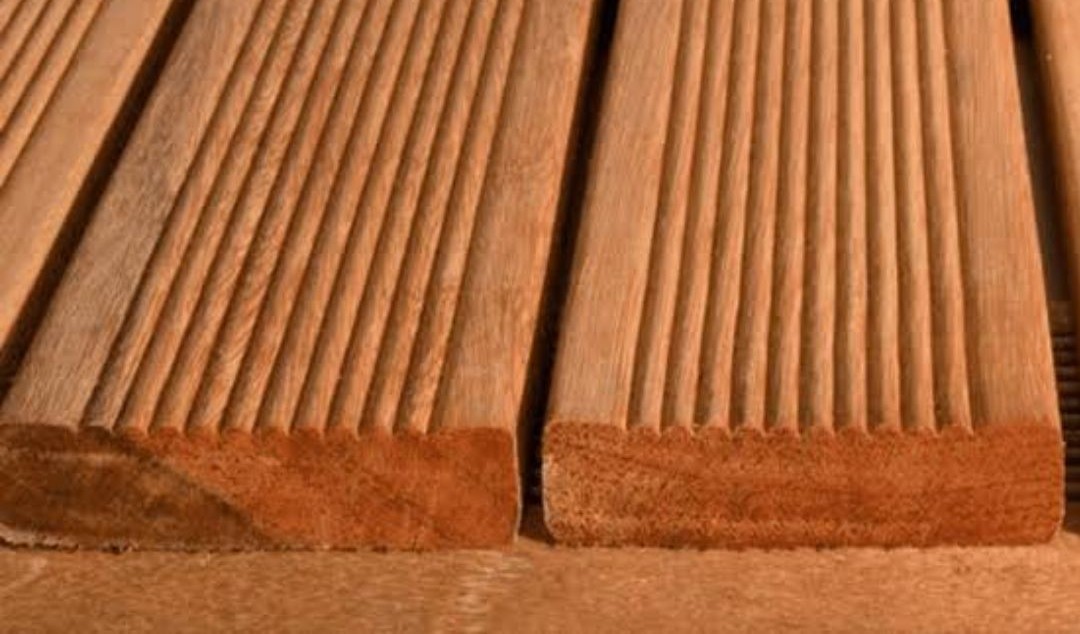
Its sapwood is generally pale yellow, while the heartwood can range from yellowish brown to reddish brown depending on the species. With long-term exposure to air and sunlight, the wood gradually develops a darker brown tone.
Bangkirai typically has interlocked grain, sometimes accompanied by wavy or curly patterns. Its wood structure is dense and compact, giving the timber its distinctive strength and solid feel.
Dense, Hard, and Naturally Durable
Bangkirai is known for its exceptional hardness.
Its tightly interlocked wood fibers create a dense structure. In Malay, it is sometimes associated with the word "Batu," meaning stone, reflecting the timber's rock-like hardness.
Bangkirai offers high mechanical strength—around 1.5 times that of teak—and also provides strong natural resistance to termites. These characteristics make it particularly suitable for demanding outdoor environments.
Another natural feature of Bangkirai is its high level of water-soluble tannins.
When newly installed timber is exposed to rain, these tannins may wash out of the wood and leave light brown stains or runoff marks. This is a natural characteristic of the material rather than a defect.
After repeated rainfall and continued weather exposure, the amount of tannin released will normally decrease over time.
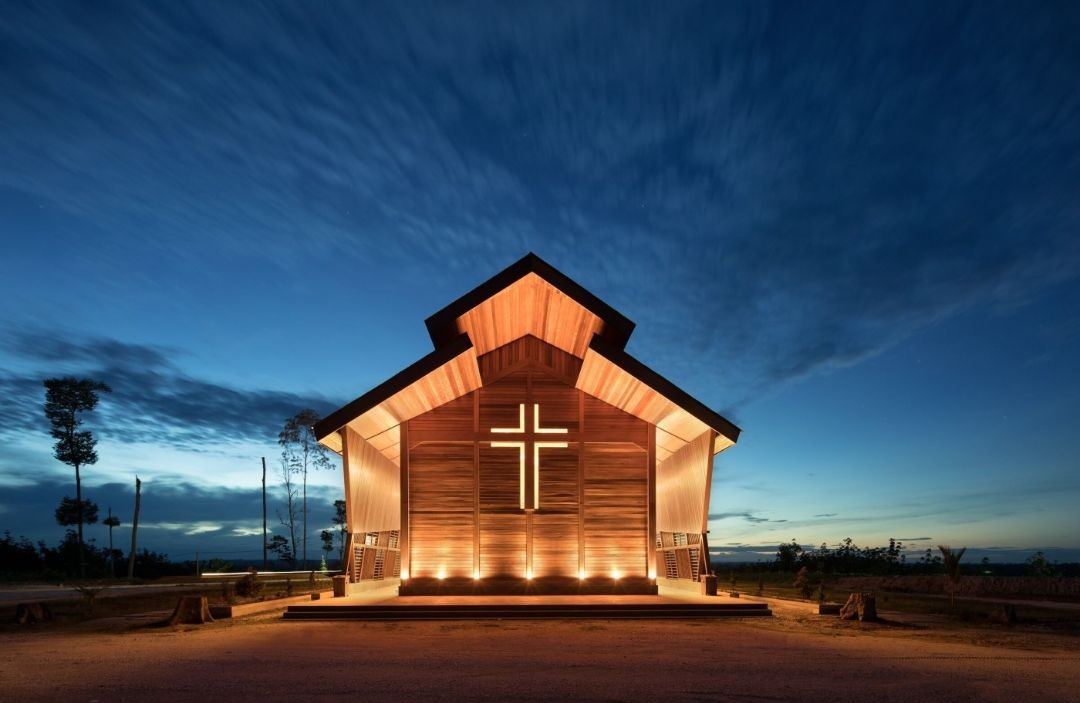
Oikumene Church
Bangkirai has a long history as an engineering and construction timber.
Traditionally, it was widely used for demanding applications such as railway sleepers, bridges, and marine structures.
As teak supplies became more limited, European markets increasingly imported Bangkirai for outdoor terraces, decking, and boardwalks. Today, the species continues to be widely used for outdoor construction where strength and durability are important.
Common applications include:
- Outdoor decking
- Terraces and boardwalks
- Stair treads
- Handrails
- Bridges and heavy construction
- Vehicle flooring and mats
With its dense structure, natural durability, and strong mechanical performance, Bangkirai remains a practical choice for outdoor and engineering applications.
bestwood provides FSC-certified timber together with professional material recommendations and customized processing services. From structural timber and decorative wood to specialty panels, we help customers select suitable wood materials for different project requirements.
GET YOUR BEST WOOD FROM bestwood —Choosing bestwood means choosing a professional partner you can trust.
Read More


Related Product

Source :
https://www.internationalparks.org/indonesia/Bukit%20Bangkirai
https://www.indonesia-tourism.com/east-kalimantan/bukit_bangkirai.html
http://trigonesian-wood.blogspot.com/2016/01/bangkirai-wood.html
https://www.delta-intkey.com/wood/en/www/dipshlae.htm
https://www.mottimes.com/article/detail/4696
http://www.qicwoodhome.com.tw/products/info.php?id=8360&title_id=1328
https://www.bestwood.com/product_d.php?lang=tw&tb=3&id=3473&tab=5828
https://www.hfwood.com.tw/index.php/selangan-batu/


