
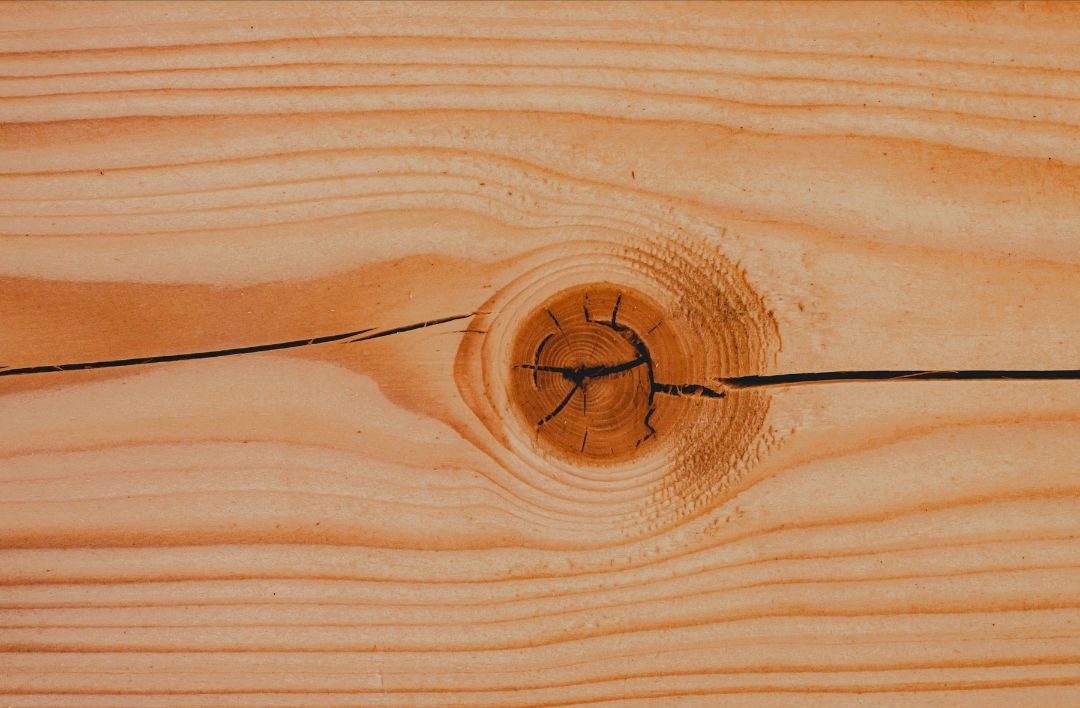
Wood Knots: Defects or Natural Features? | The Unique Character of Knotted Wood
Wood knots are not always defects. They are part of wood's natural character.
Contents :
1. Are Wood Knots Defects or Natural Features?
2. How Do Wood Knots Form?
3. Why Is Knotted Wood Popular in Europe?
4. Do Wood Knots Affect Strength?
5. Wood Grades Describe Appearance, Not Overall Quality
6. GET YOUR BEST WOOD FROM bestwood
Are Wood Knots Defects or Natural Features?
Both spaces below use solid wood. Can you spot the biggest difference?
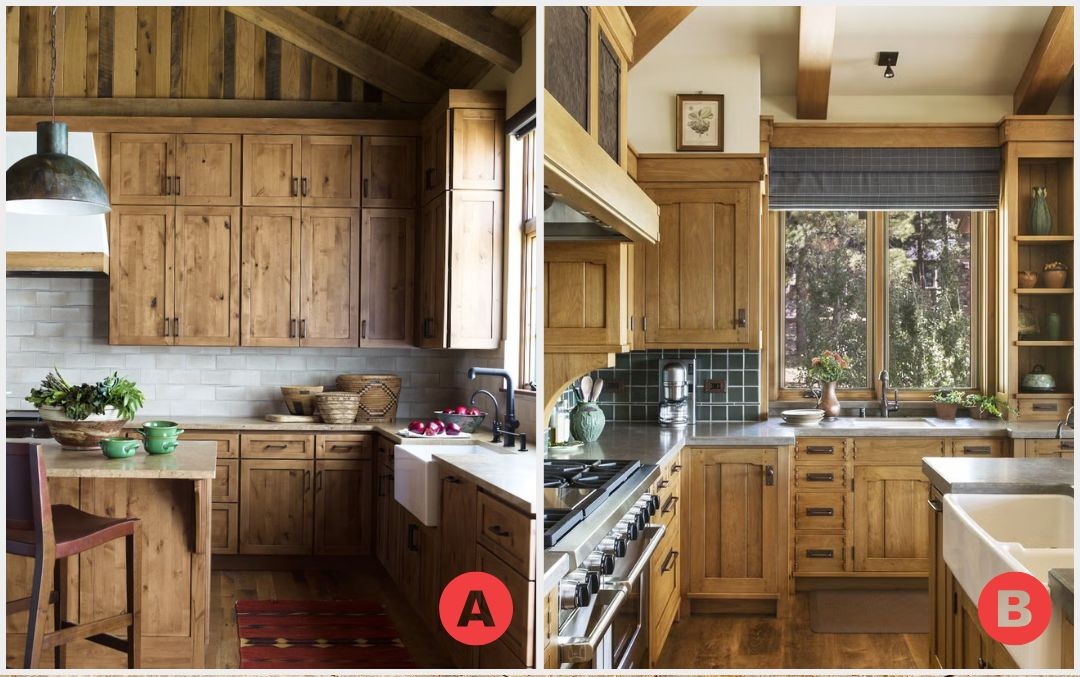
ImageA:InteriorwithKnottedWoodImage A: Interior with Knotted Wood
ImageB:InteriorwithClearWoodImage B: Interior with Clear Wood
The main difference is whether the wood panels have visible knots.
In Asian markets, clear wood with few or no knots has long been a popular choice for interior design. The dark circles on wood surfaces are often considered defects or signs of lower-grade timber.
However, wood knots are a natural part of tree growth. Whether knotted wood is suitable for a project depends on the type, size, and location of the knots—not simply whether knots are present.
How Do Wood Knots Form?
The dark circles visible on wood surfaces are called wood knots. They form where branches grow from the trunk and become surrounded by new layers of wood.
As a tree grows, its trunk gradually becomes thicker, adding new growth rings around the center, known as the pith. When a tree is young, branches grow along the lower trunk. As the tree becomes taller, upper branches block sunlight from reaching the lower ones. These lower branches may eventually die and fall off.
The remaining branch bases become enclosed by new growth rings, which is why knots are often concentrated closer to the center of the trunk.
Once the lower branches are gone, the outer layers of wood can grow without enclosing new branches. As a result, wood closer to the outside of the trunk often has a smoother, more uniform grain.
Producing clear wood generally requires cutting timber from the outer sections of the trunk or removing areas containing knots.
This reduces the amount of usable clear timber.
Knots, on the other hand, are a common and natural characteristic of wood.
Why Is Knotted Wood Popular in Europe?
In Europe, knotted wood is widely used in interior design, especially for flooring.
Oak flooring is a good example. Manufacturers often classify oak flooring into different appearance grades based on the size and number of knots.
These grades range from nearly knot-free surfaces to rustic styles that allow many visible knots of different sizes.
In the UK, oak flooring with visible knots is often among the most popular choices.
Knotted grades are generally more affordable, and allowing natural knots also means more timber from the same tree can be used. This helps reduce material waste.
The knots and natural color variations also preserve the tree's growth patterns, giving every floorboard a different appearance. Rather than being seen as imperfections, these natural features can add warmth and character to interior spaces.
Do Wood Knots Affect Strength?
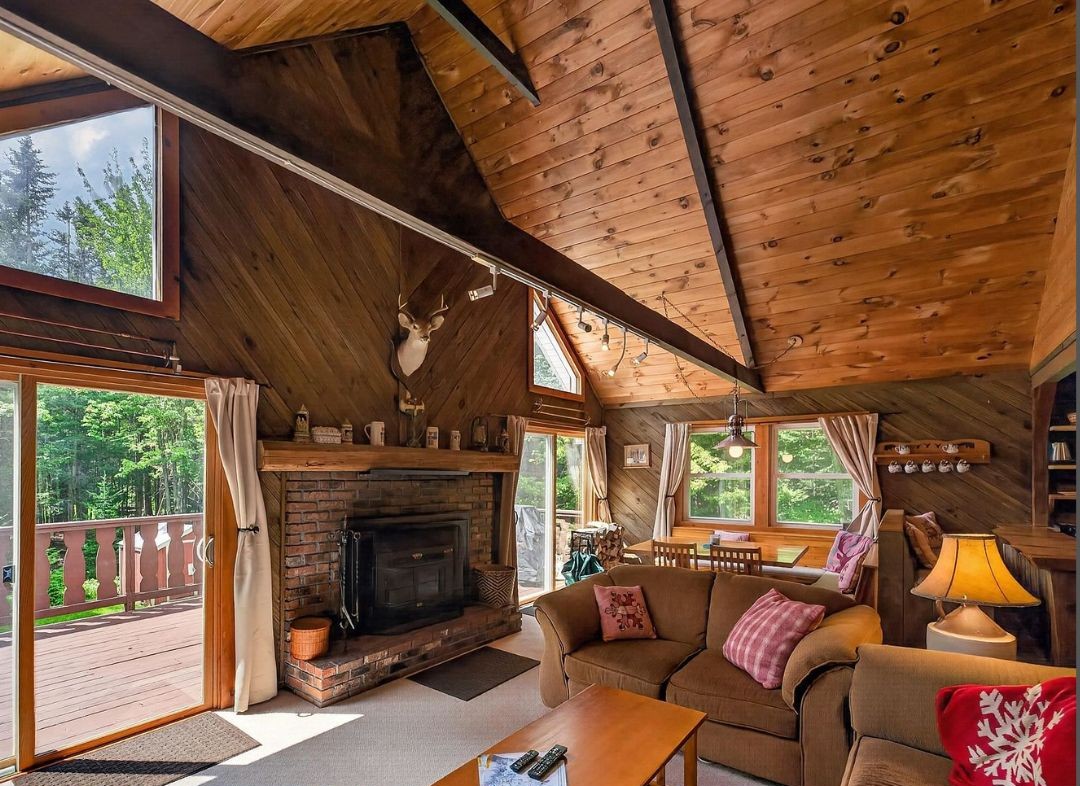
One common question is whether wood with knots is weaker than clear wood.
The answer depends on the type and location of the knots. 🙂
📍 Sound Knots (Live Knots)
These form from branches that were still alive when surrounded by the growing trunk. They remain firmly connected to the surrounding wood fibers and are generally more stable.
📍 Dead Knots
These form from branches that had already died before being enclosed by new wood. Their connection to the surrounding fibers is weaker, so they may become loose or fall out over time.
Even knots of the same size can affect wood strength differently depending on their location.
For example, a knot near the center of a board or close to the neutral axis of a beam may have less impact on certain types of loading.
However, knots near the edge of a board or on the tension side of a beam can have a greater effect on structural performance.
This is why the intended application and performance requirements must be considered before selecting knotted timber.
At bestwood, we first understand your project requirements and intended use, then help assess whether knots may affect the strength and suitability of the timber.
Wood Grades Describe Appearance, Not Overall Quality
Wood is often classified into appearance grades such as clear, select, and natural knot grades.
These grades mainly describe how the wood looks rather than whether the material is good or bad.
Clear and Low-Knot Wood
Wood with few or no visible knots offers a clean, consistent surface. It is often selected for minimalist interiors and modern designs.
Natural Knot Wood
Wood with visible knots preserves more of the tree's natural growth patterns. Its distinctive grain and character make it popular for Scandinavian, rustic, and industrial-style interiors.
Neither appearance is necessarily better than the other.
The right choice depends on the intended application, design preferences, and budget.
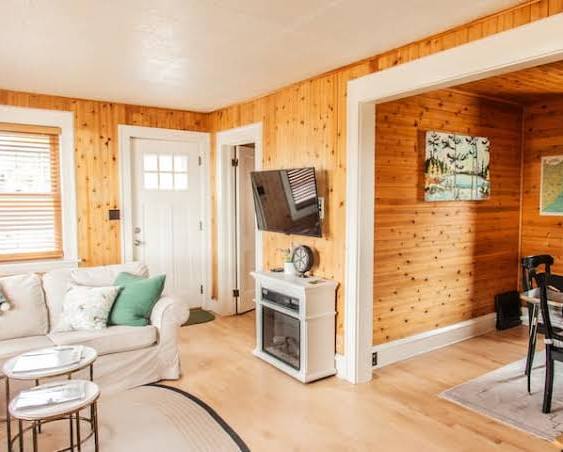
Wood knots are not automatically defects. They are part of the natural appearance of timber, and knotted wood deserves consideration when choosing materials.
Choose the Right Wood for Your Project
Choosing between knotted and clear wood is often a matter of design preference. However, determining whether knots affect strength and performance requires professional evaluation.
bestwood is your professional timber consultant and partner. We evaluate timber strength, material characteristics, and processing requirements based on your intended application.
From material recommendations to customized cutting and processing, we provide practical, one-stop timber solutions to help you find the right wood for your project.
GET YOUR BEST WOOD FROM bestwood —
Choosing bestwood means choosing a professional partner you can trust.
Read More


Related Product


Source :
木節集中於樹幹中心、外層形成無節材:https://www.lowimpact.org/posts/knotty-problem-prune-trees-produce-quality-timber/
英國橡木地板 Rustic 等級最受歡迎:https://www.factory-direct-flooring.co.uk/advice-centre/a-guide-to-different-flooring-grades Rustic
等級更永續、減少浪費:https://commercial.akirby.co.uk/shop/solid-hardwood-flooring/rustic-grade
橡木地板等級與木節大小:https://havwoods.com/ie/timber-flooring-grades
木節位置、大小對強度的影響:https://www.jlconline.com/how-to/the-strength-of-wood_o/
木節與木材抗拉強度研究:https://arxiv.org/abs/2201.03464v1


