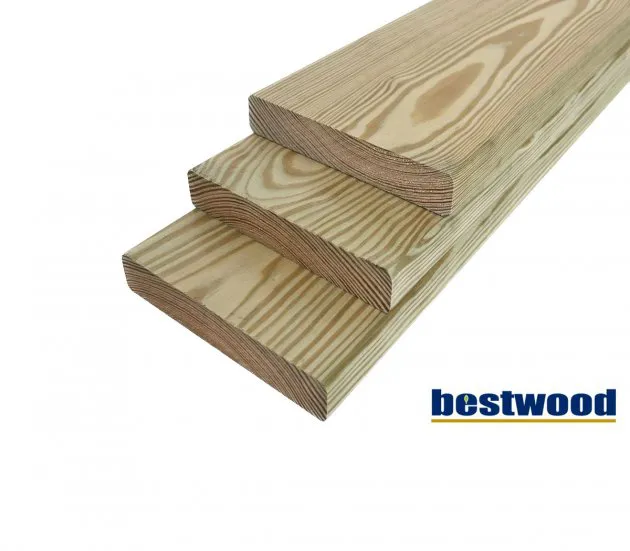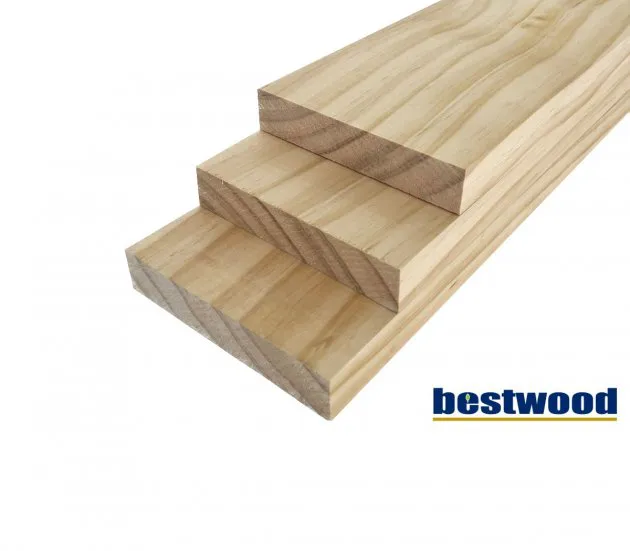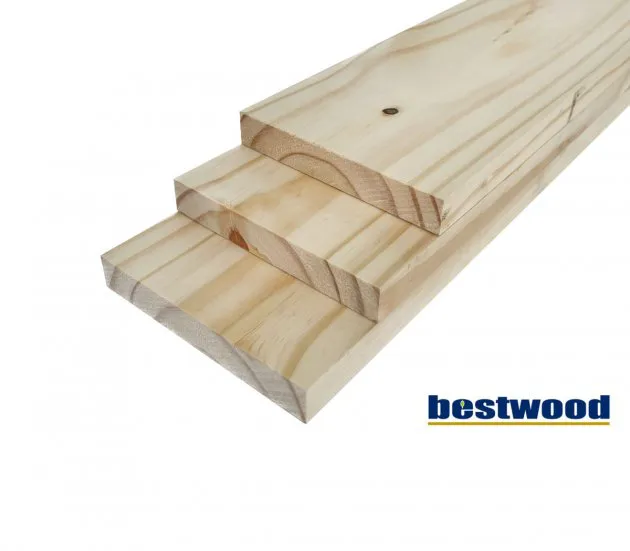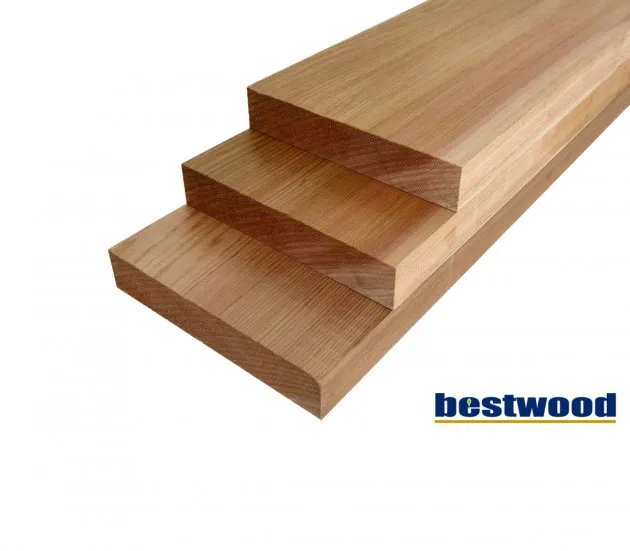

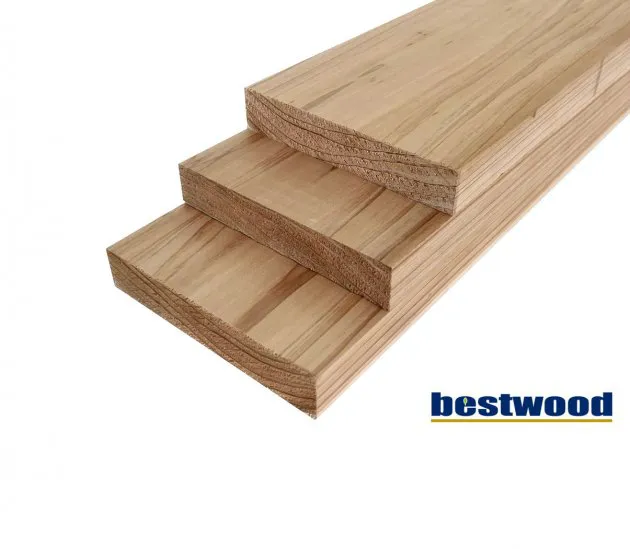
Grade :Grade A
Surface Processing :Surfaced Four Sides (S4S)
Area :Japan
-
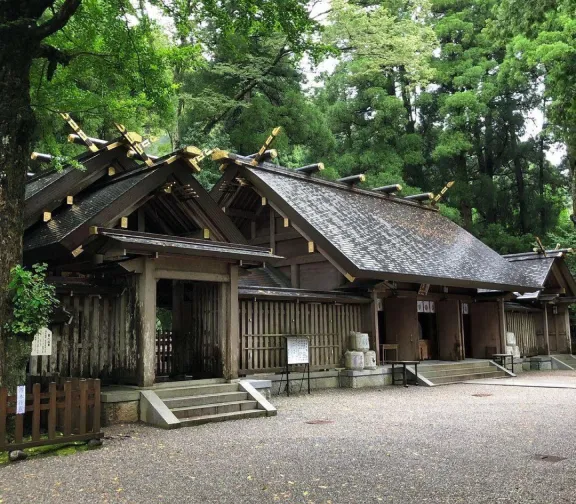
Japanese Cedar (Cryptomeria japonica), also known as Sugi or Japanese Cedar, is widely distributed in Japan. Depending on the region of growth, it is also referred to as Yoshino Cedar, Akita Cedar, or Yufu Cedar.
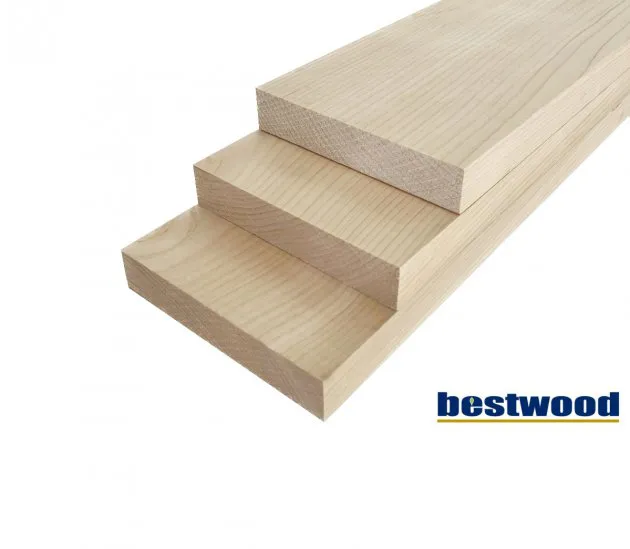
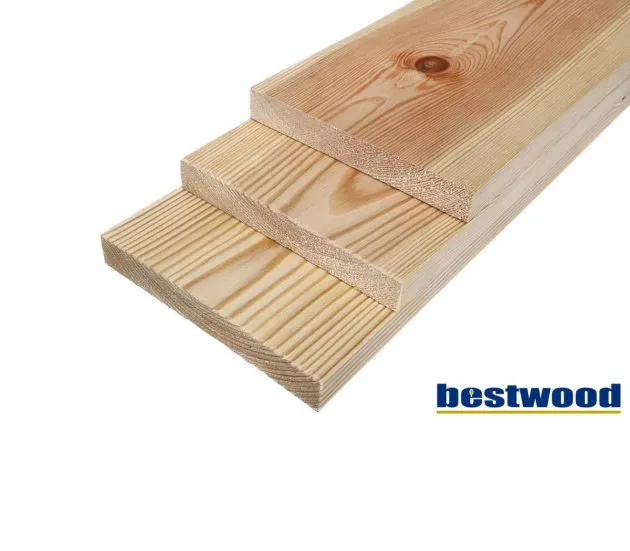
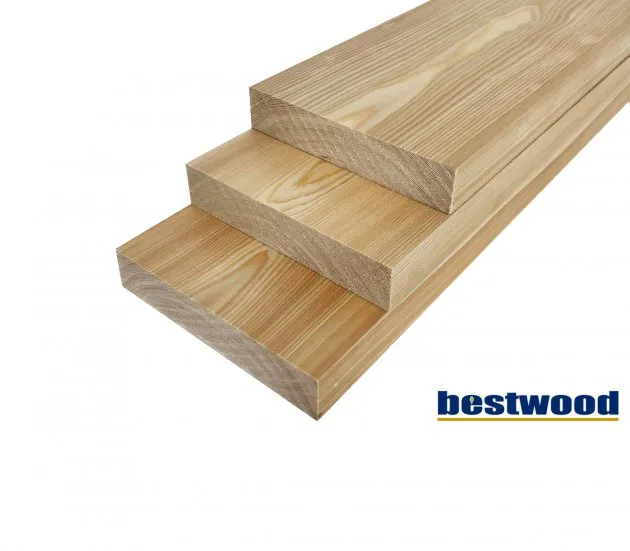
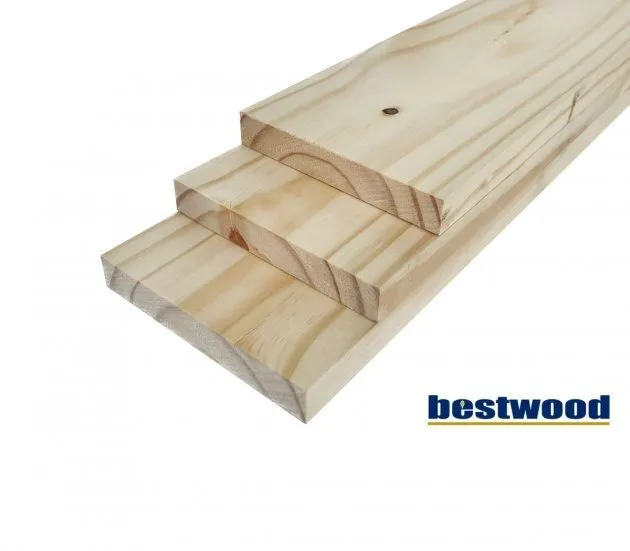
Japanese Cedar has a specific gravity of about 0.4, similar to typical coniferous trees. It emits a faint, pleasant fragrance, with distinct annual ring layers visible in spring and autumn wood. The wood surface exhibits rich grain patterns.
The heartwood of Japanese Cedar varies in color; the sapwood is light yellow-white, while the heartwood ranges from pink to black-brown, with pink hues being predominant.
The quality of Japanese Cedar varies based on regional factors and forestry techniques. The presence of black-brown color in the heartwood is due to higher moisture content, which does not affect the structural strength of the wood after drying. Research indicates that heartwood with black-brown coloration exhibits excellent resistance to decay.
Adventage of bestwood

-
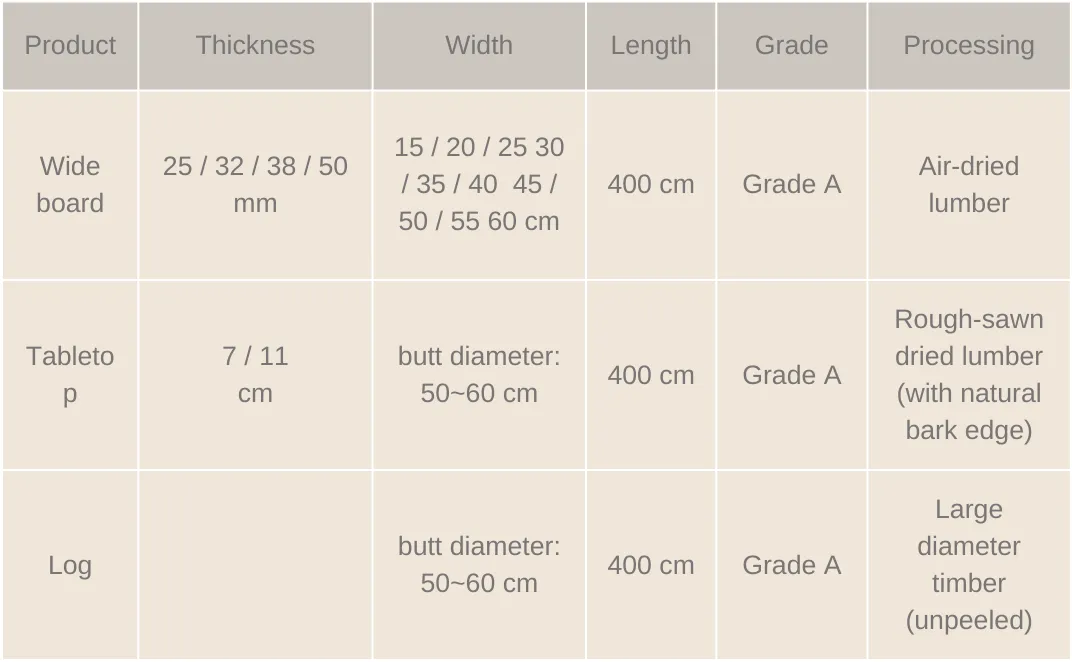
Japanese Cedar Specifications
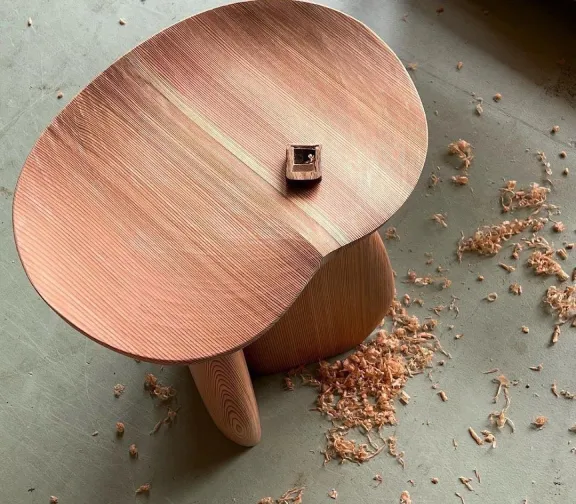
- Japanese Cedar (Sugi) comes in two main color variations: pinkish hues and brown tones. The natural color variations, complemented by evenly distributed knots, create an interior environment that exudes Japanese-style ambiance. It is commonly used in ceilings, wall panels, tabletops, shelves, crafts, furniture, and other applications.
-
Japanese Cedar Characteristic
Japanese Cedar (Cryptomeria japonica), also known as Sugi or Japanese Cedar, is widely distributed in Japan. Depending on the region of growth, it is also referred to as Yoshino Cedar, Akita Cedar, or Yufu Cedar.
Japanese Cedar has a specific gravity of about 0.4, similar to typical coniferous trees. It emits a faint, pleasant fragrance, with distinct annual ring layers visible in spring and autumn wood. The wood surface exhibits rich grain patterns.
The heartwood of Japanese Cedar varies in color; the sapwood is light yellow-white, while the heartwood ranges from pink to black-brown, with pink hues being predominant.
The quality of Japanese Cedar varies based on regional factors and forestry techniques. The presence of black-brown color in the heartwood is due to higher moisture content, which does not affect the structural strength of the wood after drying. Research indicates that heartwood with black-brown coloration exhibits excellent resistance to decay.
Adventage of bestwood
-
Japanese Cedar SpecificationsJapanese Cedar Specifications
-
Japanese Cedar ApplicationsJapanese Cedar (Sugi) comes in two main color variations: pinkish hues and brown tones. The natural color variations, complemented by evenly distributed knots, create an interior environment that exudes Japanese-style ambiance. It is commonly used in ceilings, wall panels, tabletops, shelves, crafts, furniture, and other applications.